
Clutch facing has been a critical component for the vehicles. From Car to Motorcycle, you need a clutch facing to drive.
According To IMARC GROUP, the Clutch facing market was valued at 12.4 billion USD. By 2028, experts forecast it to reach 16.9 billion USD. Such insights put it one of the most essential and MANUFACTURED components. Have you ever wondered how clutch-facing products are produced? What is the ABC behind them?
Let’s go through a step-by-step guide on clutch-facing production.
What is a clutch facing?
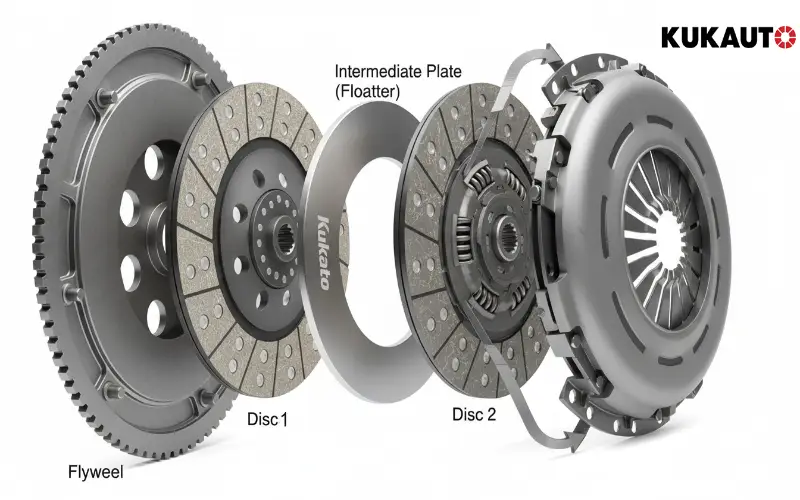
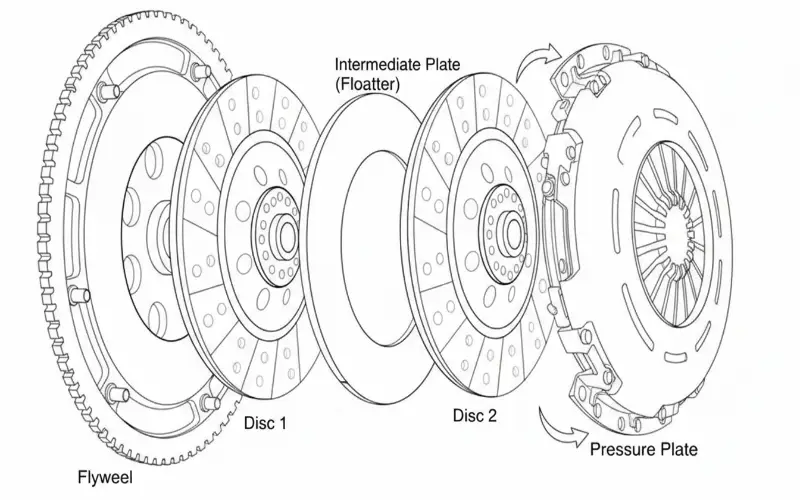
Clutch Facing is the friction material attached to the clutch disc. When you press a clutch, the clutch facing dampens the torsional vibrations. It also assists in changing torque between the transfer power from the engine to the transmission system.
Facing provides the necessary friction in automobiles. Therefore, clutch facings are used more frequently in buses, trains, machines, and heavy-engine vehicles.
In short, clutch facing is a CRUCIAL component in a clutch system. Want to know more details about the manufacturing process? Here it is.
How to produce the Clutch facing?
A clutch facing has many components, including framework, copper, filler, and friction material.
Get everything into your head before we move into the production process. Let’s talk about the step-by-step production process.
Step 1: Choose the Raw Material For the Clutch facing.
One of the critical components in determining friction is the raw material. And there are a bunch of materials having different features.
For example, some materials have higher temperature resistance while others have a higher elasticity. Moreover, it is not the framework material only that helps determine the friction resistance. Instead, relevant components also determine the performance of the clutch facing.
The factory production process chooses the raw materials according to the clutch-facing performance. You need to know this before landing the raw material.

Step 2: Spinning of the Raw Material
Do you have the raw materials in your hand? Let’s see the magic of the spinning machines. Before the production finalizes, every manufacturing setup has spinning machines. These take up the material. Spin it around. And make it more effective when producing the facings.
The fully automated machines spin the material. For example, suppose you choose composite yarn fiber—the spinning process with tension spinning. There is one essential requirement in spinning. The material must have fibers. You can turn the carbon or aramid into fibers with the help of machines.

Step 3: Production of Clutch Facing
It is time to produce the clutch-facing. Multiple machines mold the material. Turn its shape according to the given structure of the plate. Make the plate with the friction material lined on it.
At that point, you must add the framework with the resins, rubbers, coppers, and other fillers into the mold. The compressing turns the material into a thin disc. The next step is to bake the thin disc at a very high temperature.
Kukauto can produce the required features depending on clients’ needs. In this part, the diameter of the clutch facing with the accurate linings and gaps are sorted out.

Step 4: Final processing of Clutch Facing
Once the clutch facing has been produced, the final processing occurs. There are some holes input into the facing for fixing with the clutch disc.
Manufacturers polish the surface. They punch and drill the holes into the clutch facing.
The full-fledged clutch facing provides the necessary friction. When installed in the clutch systems, they reduce vibrational torsion and manage the power transmission.

Step 5: Pack the Clutch Facing
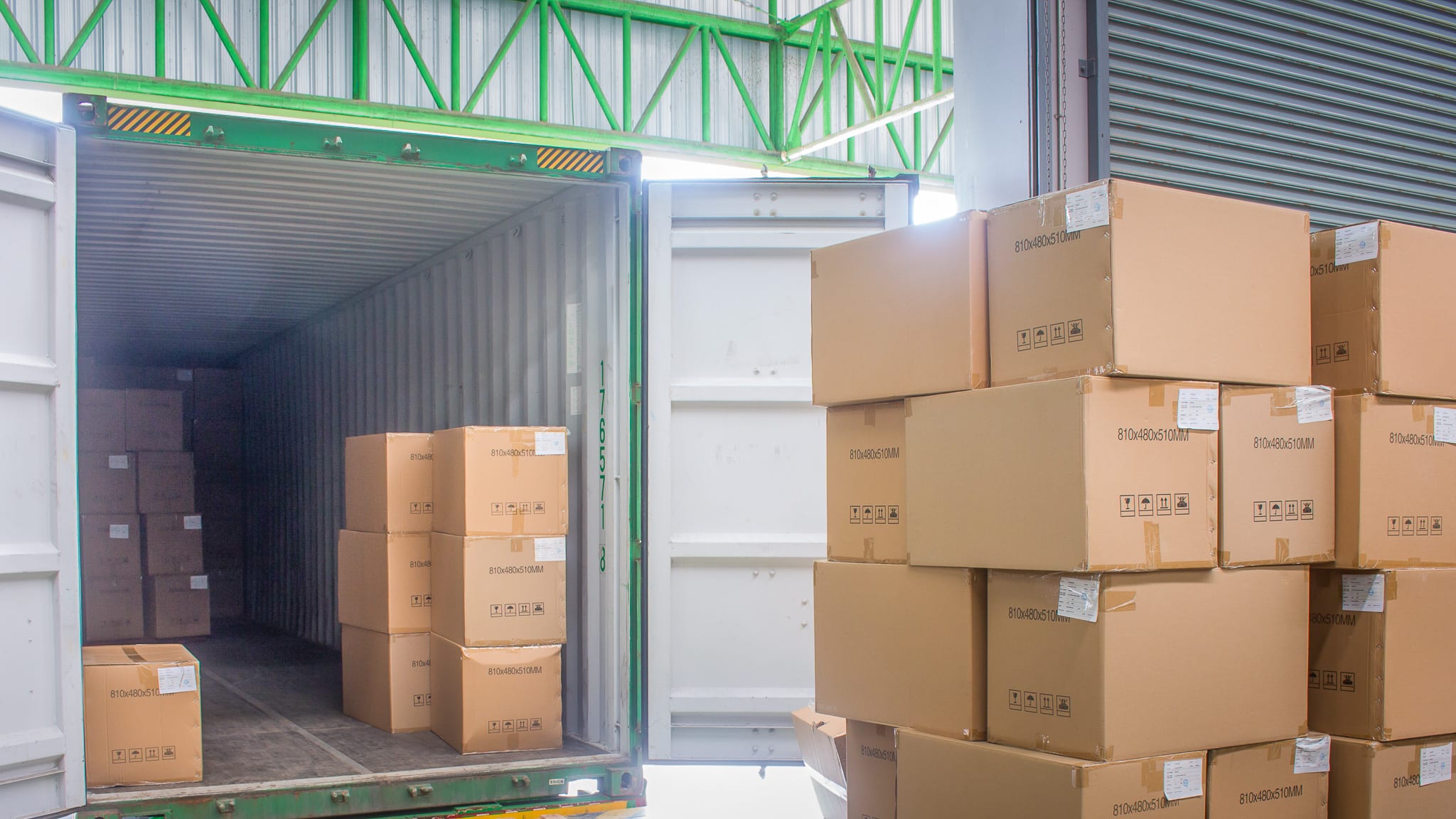
The final step ensures the delivery of the clutch facing to the buyers. Packing experts pack the facing with regular straps and put it into the carton.
Some customers have special instructions. They have the packaging with poly bags. Then the final packaging occurs in the carton.

What Features should you look at when choosing the raw material for facing?
Choosing raw materials is not child’s play. Totally! I can prove it.
Suppose you buy a facing material that can’t survive 100 degrees Celsius. Soon after deterioration, it loses its strength.
It is a TOTAL LOSS for your business. And next time, you again have to buy the clutch facing.
Why not choose one time but the best? Here are some features with tips to choose from.
Temperature Resistance
Temperature is one of the critical factors. Suppose you have two friction materials. One can survive 250 degrees Celsius. Another shows resistance to 450 degrees Celsius.
Guess which one is better?
450 degrees Celsius is far better. The reason? It is simple.
- It will work in almost harsh temperatures. Burning of oil in the automobile raises temperatures. It can work there with its optimal performance.
- Provides 100% performance while working at higher temperatures.
- Operational robustness is immensely appreciated.
Therefore, prefer a clutch facing that offers a higher temperature resistance. It also keeps going for extended periods without a complete decrease in performance.
Coefficient of friction
I’ve got one question. What is the goal of the friction plate or facing?
Obviously, provide friction to smoothen the power transmission and reduce torsional vibrations.
That is what you have to choose in the friction plate. When manufacturing friction, the goal is to achieve higher friction levels.
Therefore, you should look at the coefficient of friction.
Structural Integrity
The structural integrity of the clutch facing largely depends on:
- Quality of Material
- Tensile Strength
- Elasticity
In automobiles or machines, there is a significant requirement for structural integrity. Higher temperatures and continued working of the engine and transmission system need high structural integrity.
Moreover, to maintain high speed, larger tensile forces are deforming the facing material. You should choose them depending on your needs.
The higher the structural integrity, the better it is.
Lifetime
The lifetime determines how long the clutch facing works without diminishing the performance.
Three primary factors affect the lifetime of clutch facing. These are:
- Temperature Level
- Friction level
- Specific unit area pressure
It is the automobile engine temperature that can affect it. For example, the temperature varies between 100-400°C.
At higher temperatures, the performance decreases exponentially. And at the same time, the life of the clutch facing decreases. You should choose a material with higher temperature resistance and structural integrity.
Price
The manufacturing process of the clutch facing has many types of significant expenses.
- Material cost
- Processing cost
Since the effective system is automated, you can sometimes add overhead costs. But the overall goal is to achieve a lower cost.
Whether you are a buyer or manufacturer, you aim for the lowest price. Focus on these costs to get the material at the best possible prices.
EndNote
Clutch facing involves the step-by-step manufacturing process. The factories collect the raw materials, spin them, and make them work for the friction in the clutch facings. Clutch quality and friction is a critical aspect.
We show you the production process of clutch facings in this article, and how to choose the suitable clutch facings. If you want to know more about the process technology or choose the best clutch facings, please contact us freely.
Kukauto is one of the top manufacturers of clutch facing in China. You can get the TOP-QUALITY clutch facing. Call us right now!