In the mining industry, efficiency is measured in tons per hour. Every minute a haul truck sits idle in the workshop due to drivetrain failure, thousands of dollars in revenue evaporate. While the massive engines and tires of these behemoths get the most attention, the unsung hero transferring that immense power to the wheels is the transmission system. At the heart of this system lies the Mining Truck Clutch Kit—a component that must endure some of the most punishing conditions on Earth.
For fleet managers and parts distributors, understanding the engineering behind these heavy-duty components is not just technical trivia; it is a financial necessity. Choosing the right clutch kit determines whether a truck runs for 2,000 hours or 5,000 hours before its next overhaul. This comprehensive guide explores the anatomy, classification, and selection criteria for mining truck clutch kits.
What is a mining truck?

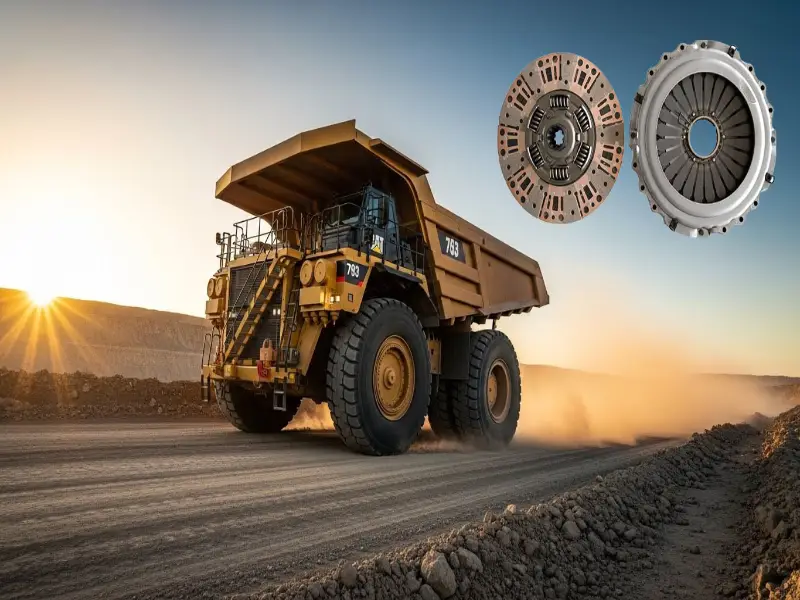
A mining truck, often referred to as an Off-Highway Truck (OHT) or rigid hauler, is a colossal dump truck engineered specifically for use in high-production mining and heavy-duty construction environments. Unlike standard commercial dump trucks that operate on paved roads, mining trucks are designed to traverse rough, unpaved terrain while carrying payloads ranging from 40 tons to over 400 tons.
These vehicles are the lifeblood of any open-pit operation. They are typically categorized by their payload class:
- Articulated Dump Trucks (ADT): For rougher terrain and tighter spaces, usually 30-60 ton capacity.
- Rigid Dump Trucks (RDT): The giants of the mine, designed for main haul roads with capacities from 60 tons up to the “Ultra Class” 400-ton behemoths.
The working environment of the mining truck
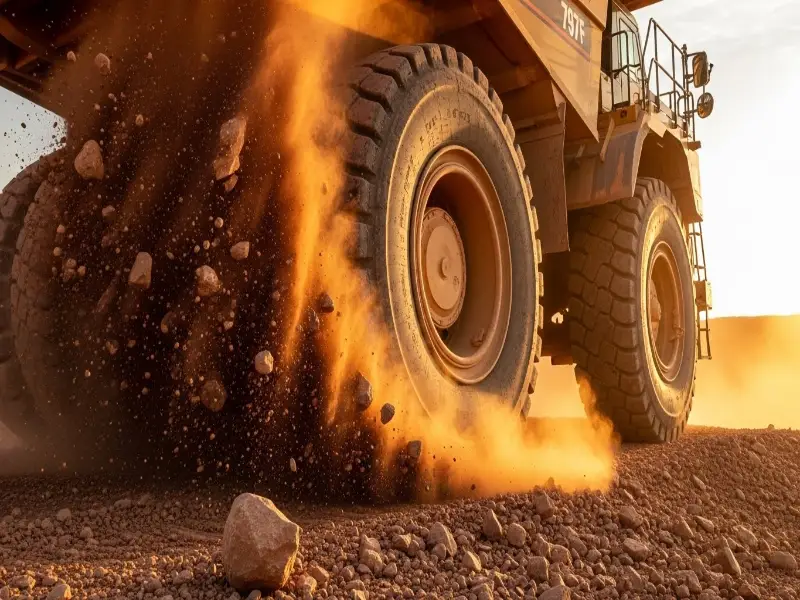
To understand why a mining truck clutch needs to be engineered differently than a standard truck clutch, one must appreciate the hostility of the mining environment. These vehicles do not cruise on highways; they operate in a continuous cycle of “Stop-Load-Haul-Dump-Return.”
1. Extreme Gradients and Loads
Mining haul roads typically have grades of 8% to 12%. A fully loaded truck weighing 200 tons starting from a standstill on a 10% incline places astronomical stress on the clutch assembly. The clutch must slip in a controlled manner to engage the drivetrain without snapping the axles, generating immense heat in seconds.
2. Dust and Contamination
Mines are plagued by abrasive dust (silica, coal, iron ore). If this particulate matter enters the bell housing, it acts like sandpaper, rapidly wearing down the clutch facings and scoring the flywheel.
3. Thermal Shock
The cycle of heavy engagement generates heat (often exceeding 350°C), followed by periods of disengagement or idling. This constant thermal cycling can cause standard metal components to warp, crack, or suffer from “heat checking” (micro-cracks on the pressure plate surface).
“In mining, a clutch failure isn’t just a repair bill—it’s a production halt. If a main hauler goes down in a single-lane ramp, it can block the entire fleet, costing tens of thousands of dollars per hour in lost production.”
What is a mining truck clutch kit?

A mining truck clutch kit is a heavy-duty transmission coupling device designed to disconnect and connect the engine power to the transmission box, facilitating gear changes and smooth vehicle movement under extreme loads.
Core Differences from Standard Trucks
| Feature | Standard Truck Clutch | Mining Truck Clutch |
|---|---|---|
| Friction Material | Organic or Fiber Composite | Ceramic or Sintered Iron (Metallic) |
| Configuration | Single Plate (mostly) | Twin Plate or Multi-Plate |
| Clamping Load | 800 – 1200 kg | 2000 – 4500 kg+ |
| Hub Design | Standard Spring Dampers | Severe Duty Dampers or Solid Hub |
The types of mining truck clutch kit
Given the diversity of mining vehicles—from underground loaders (LHD) to surface rigid haulers—the types of clutches vary significantly. They are generally classified by their engagement mechanism and friction configuration.
1. Pull-Type vs. Push-Type Clutches
Push-Type: Common in light to medium-duty applications. The release bearing pushes in to disengage.
Pull-Type (Standard in Mining): In heavy-duty mining trucks, Pull-Type clutches are preferred. The release bearing pulls the diaphragm spring outward to disengage. This design offers a significant mechanical advantage, allowing for higher clamping forces without requiring impossibly heavy pedal pressure. It also stays locked more securely under high RPMs.
2. Twin-Plate (Double Disc) Clutches
Single-plate clutches simply do not have the surface area required to hold the torque of a 15-liter+ mining engine.
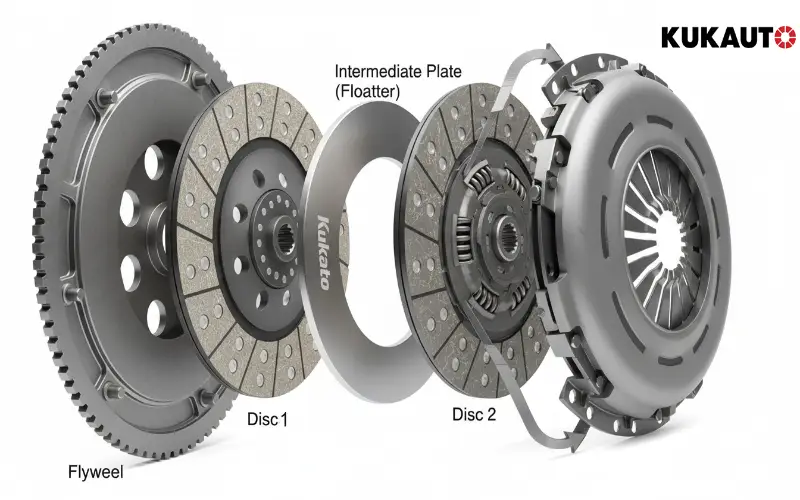
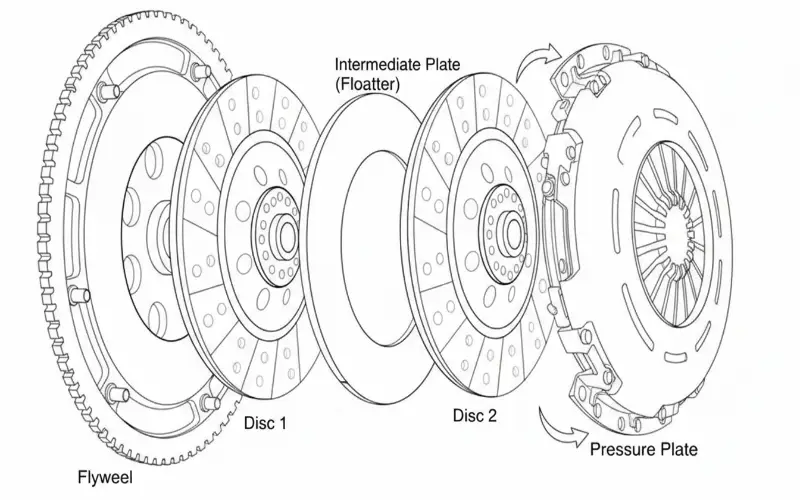
Twin-Plate System: This system uses two friction discs separated by an “intermediate plate” (floater plate). This effectively doubles the friction surface area, doubling the torque capacity without increasing the diameter of the clutch housing. This is the industry standard for most 50T+ mining trucks.
3. Wet Multi-Plate Clutches
Found in the largest Ultra-Class trucks and heavy wheel loaders. These clutches are submerged in cooling oil. While they last longer and handle heat better, they are complex to service. However, for most rigid haulers in the aftermarket sector, Dry Ceramic Twin-Plate systems remain the dominant replacement item due to cost-efficiency and ease of maintenance.
The features of mining truck clutch kit
What makes a clutch “Mining Grade”? It’s all about the materials and reinforcement. A standard clutch installed in a mining truck would likely fail within hours.
1. Sintered Iron Friction Buttons
Organic facings burn at 250°C. Mining clutches use Sintered Iron or Cerametallic buttons (trapezoidal pads). These materials have a high coefficient of friction (0.38-0.50) and can withstand temperatures up to 600°C without fading or glazing.
2. Reinforced Damper Hubs
The shock of shifting gears with a 100-ton load is massive. Mining clutch discs feature enclosed spring designs or poly-dampers to prevent the springs from popping out under shock loads. The hub splines are often heat-treated (nitrided) for wear resistance.
3. High-Mass Castings
The pressure plate and intermediate plate are cast from specialized nodular iron with high thermal mass. This allows the assembly to absorb sudden heat spikes (acting as a heat sink) and dissipate it slowly, preventing warping.
4. Strap Drive Mechanisms
Instead of using lugs which can rattle and wear out in dusty mines, premium mining clutches use strap drives (flexible steel straps) to connect the pressure plate casting to the cover. This ensures positive lift and eliminates friction wear points.
How to select the right clutch kit supplier for the mining truck?
Sourcing clutch kits for mining applications is a high-stakes decision. A cheaper component that fails prematurely can result in a loss far exceeding the savings. Here is a checklist for evaluating potential suppliers:
-
1
Validation of Friction Material:
Does the supplier produce their own friction buttons or source them? Ask for friction coefficient test reports. The material must be stable across a temperature range of 100°C to 400°C.
-
2
Testing Capabilities:
A professional manufacturer must have a Fatigue Testing Machine and a Drag Torque Tester. They should be able to simulate 1 million cycles to ensure the diaphragm spring does not lose clamping force over time.
-
3
Range and Availability:
Mining fleets are diverse. A good supplier should offer a comprehensive range covering major models (e.g., replacement kits for Eaton, Spicer, Valeo heavy-duty series) to simplify your procurement.
-
4
Packaging and Logistics:
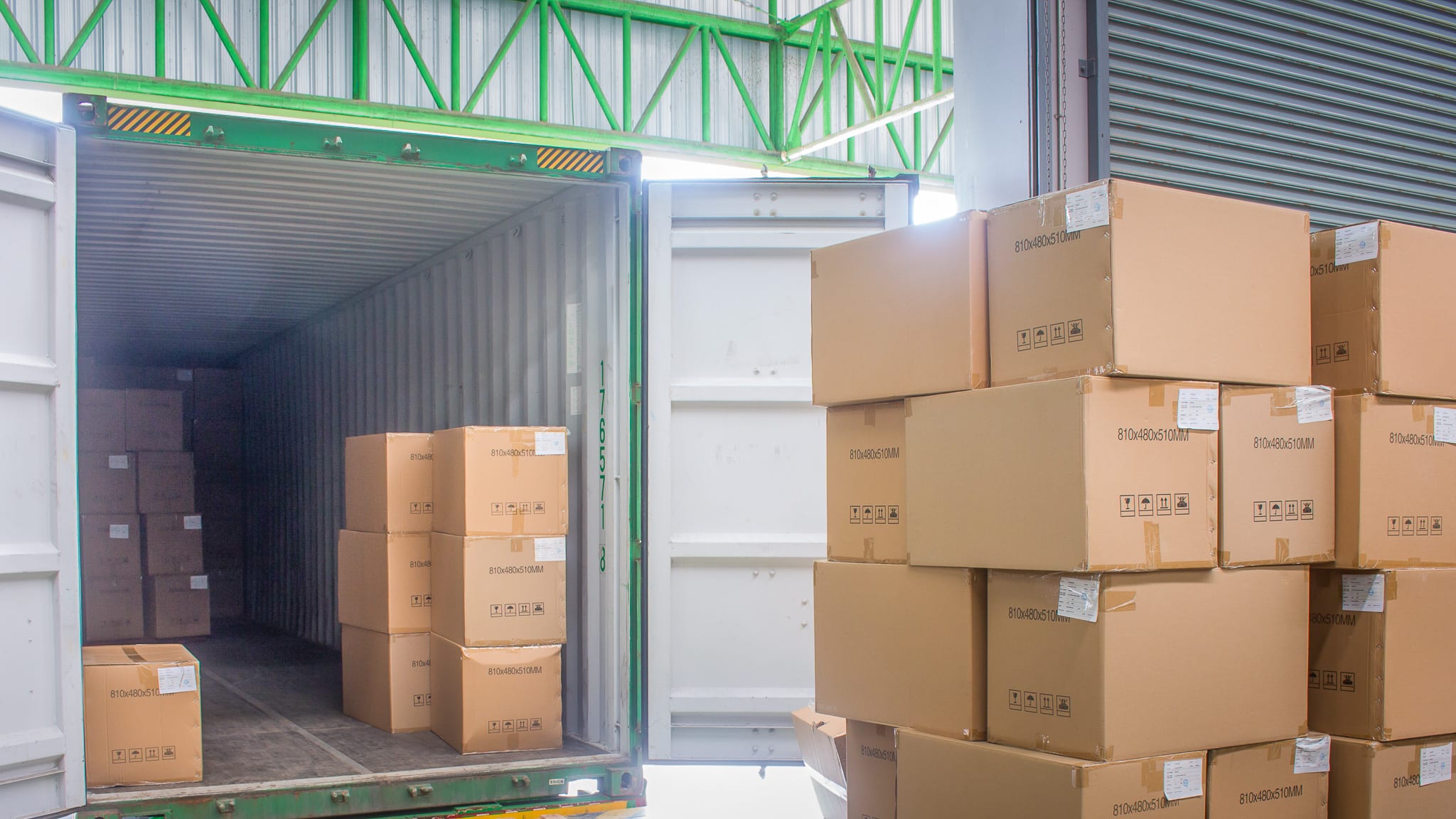
Mining sites are remote. The packaging must be reinforced (wooden crates) to withstand rough handling during sea and land freight. A damaged clutch disc is useless on arrival.
“Always ask for the ‘Clamping Load’ specifications. Some aftermarket suppliers reduce the spring force to make the pedal softer, but in a mining application, this leads to immediate slippage under heavy payload. Stick to OEM-spec clamping loads.”
Step-by-Step Installation Guide for Mining Clutches
Even the highest quality clutch will fail if installed incorrectly. In a mining workshop, cutting corners during installation is a guaranteed recipe for premature failure.
- Safety First: Ensure the truck is locked out/tagged out (LOTO). Use proper transmission jacks; mining transmissions can weigh over 500kg.
- Flywheel Inspection & Resurfacing: Never install a new mining clutch on a glazed or heat-checked flywheel. It must be resurfaced or replaced. Check the “Runout” – it should be less than 0.15mm.
- Pilot Bearing Replacement: Always replace the pilot bearing. A seized pilot bearing will keep the input shaft spinning, making it impossible to shift gears (drag).
- Alignment is Key: Use a dedicated splined alignment tool. For twin-plate clutches, ensure the intermediate plate is correctly timed/aligned with the drive pins.
- Torque Sequence: Do not use an impact gun to tighten the pressure plate bolts. Tighten in a “Star Pattern” to torque spec (typically 40-55 ft-lbs for cover bolts) to ensure even clamping pressure.
- Adjust Release Bearing Clearance: Before starting, ensure there is 1/8″ to 1/4″ clearance between the release bearing and the clutch brake (if equipped).
Preventative Maintenance & Inspection Schedule
Mining trucks operate 24/7. Waiting for a component to break is not a strategy. Implementing a rigorous inspection schedule can extend clutch life by 30-50%.
| Interval | Action Item | Details |
|---|---|---|
| Daily / Pre-Shift | Check Pedal Free-Play | Ensure there is 1.5 – 2 inches of free play at the pedal. No free play means the release bearing is riding the clutch (spinning constantly). |
| 250 Engine Hours | Lubrication | Grease the release bearing and cross-shaft bushings (use high-temp lithium grease). Do NOT over-grease, as excess can fling onto the friction disc. |
| 500 Engine Hours | Linkage Inspection | Check for worn clevis pins, bent rods, or leaking slave cylinders. Mechanical wear here equals poor engagement. |
| 1000 Engine Hours | Internal Adjustment | For manual-adjust clutches, remove inspection cover and check the wear indicator. Adjust the internal adjusting ring to compensate for disc wear. |
Case Study: Reducing Downtime in an Australian Copper Mine
The Challenge: A mid-sized open-pit copper mine in Queensland was experiencing chronic clutch failures on their fleet of 10 rigid haulers (60-ton capacity). The OEM organic clutches were burning out every 2,500 hours due to the steep ramp gradients and fine abrasive dust.
The Solution: The maintenance manager switched to Kukauto’s “Extreme-Duty” Twin-Plate Ceramic Clutch Kit. This kit featured 6-paddle sintered iron buttons and a 15% higher clamp load pressure plate.
The Result:
• Clutch lifespan increased to average 4,800 hours.
• Maintenance intervals aligned with major engine services, reducing unscheduled stops.
• Total Annual Savings: Estimated at $150,000 AUD in parts and lost production time.
Global Mining Trends: The Future of Drivetrains
The mining industry is evolving rapidly. Understanding these trends helps distributors stock the right parts for the future.
1. Automation & Autonomous Haulage Systems (AHS)
Autonomous trucks are becoming common. While they remove driver error (no more “riding the clutch”), they require clutches with extremely precise engagement profiles to interface with the computer-controlled actuators. Reliability becomes even more critical as there is no driver to “feel” a slipping clutch.
2. Electrification and Hybrid Drives
As mines push for “Net Zero,” diesel-electric hybrid drivetrains are emerging. However, mechanical clutches remain vital in hybrid systems to couple/decouple the diesel generator or engage auxiliary systems. The demand is shifting towards components that can handle instantaneous electric torque.
3. Supply Chain Resilience
Post-pandemic, mining companies are diversifying suppliers. They are moving away from single-source OEM reliance to high-quality aftermarket partners (like Kukauto) who can offer faster lead times and customized solutions.
The Economics of Maintenance: Remanufacturing vs. New Replacement
One of the most common debates in mine fleet management is whether to rebuild (remanufacture) a worn clutch or replace it with a brand-new unit. While a local rebuild might seem cheaper on the invoice, the “Total Cost of Ownership” (TCO) often tells a different story.
| Factor | Local Rebuild (Reman) | New Aftermarket Unit (Kukauto) |
|---|---|---|
| Initial Cost | Low (40-60% of OEM) | Medium (60-80% of OEM) |
| Consistency | Variable. Depends on the technician’s skill and reused parts. | High. Factory automated assembly with new springs and castings. |
| Spring Fatigue | Risk: Old springs are often reused or only visually inspected. They may have lost tension. | Safe: 100% new 51CrV4 springs guaranteed to meet clamp load specs. |
| Warranty | Limited (often 3-6 months) | Extended (12 months / 2000 hours) |
The Hidden Danger of “Metal Fatigue”
The most critical component in a clutch is the diaphragm spring or coil springs. Metal fatigue is invisible. A spring might look fine but fail after 500 hours of use because it has exceeded its cycle life.
The Verdict: For auxiliary vehicles (water trucks, graders), a rebuild might be acceptable. But for Production Haulers where downtime costs $5,000/hour, installing a new unit from a reputable manufacturer like Kukauto provides the insurance of fresh metallurgy and factory testing.
Frequently Asked Questions of Mining Truck Clutch Kits
Why Kukauto is the professional clutch kits manufacturer?
In the competitive landscape of heavy-duty aftermarket parts, Kukauto stands out as a dedicated partner for the mining and construction sectors. With over 15 years of experience manufacturing in Shandong, China, we bridge the gap between OEM quality and aftermarket affordability.
Engineered for the Extremes
Kukauto doesn’t just copy dimensions; we reverse-engineer the performance requirements. Our mining series clutch kits feature imported ceramic friction buttons and 51CrV4 diaphragm springs, ensuring consistent performance even in the dustiest, hottest open-pit mines.
Production Powerhouse
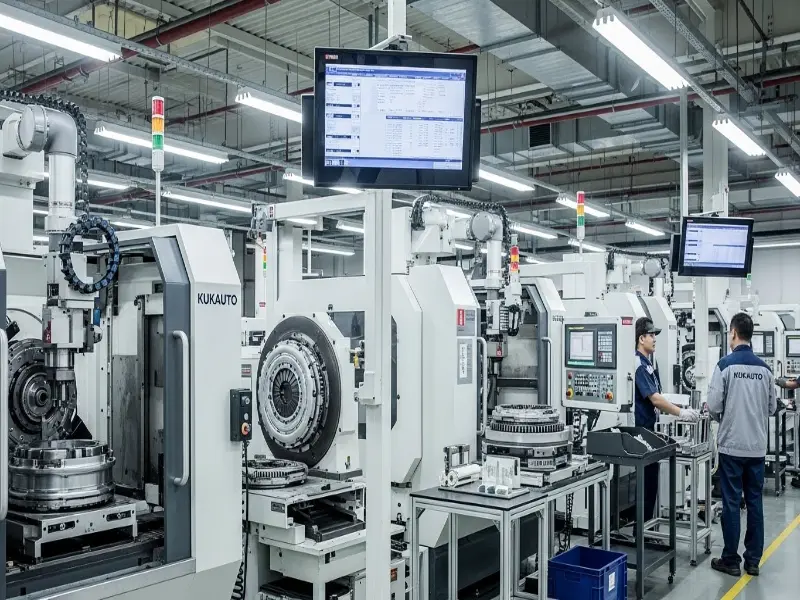
With a capacity of 200,000 sets per year and strict adherence to ISO/IATF16949:2016 standards, we can handle large fleet orders with consistent quality. Our 2-week R&D turnaround for new CAD models means that if you have a legacy machine with an obsolete clutch, we can manufacture a replacement solution rapidly.
Cost-Effective Supply Chain
By consolidating raw material processing and assembly in-house, Kukauto offers a pricing structure that maximizes distributor margins without compromising on the “heavy-duty” promise. We support low MOQ orders, allowing you to trial our quality with minimal risk.
Keep Your Haul Trucks Moving
Don’t let drivetrain failures drain your mining profits. Upgrade to Kukauto’s heavy-duty mining clutch kits and experience the difference in durability and performance. Request our specialized Mining & Construction Catalog today.
- ✓ Heavy Duty Ceramic Buttons
- ✓ High-Clamp Load Pressure Plates
- ✓ 100% End-of-Line Tested
Ready to Upgrade Your Inventory?
Contact our technical sales team for a custom quote today.
📧 Email: [email protected]
Response time: Within 24 hours