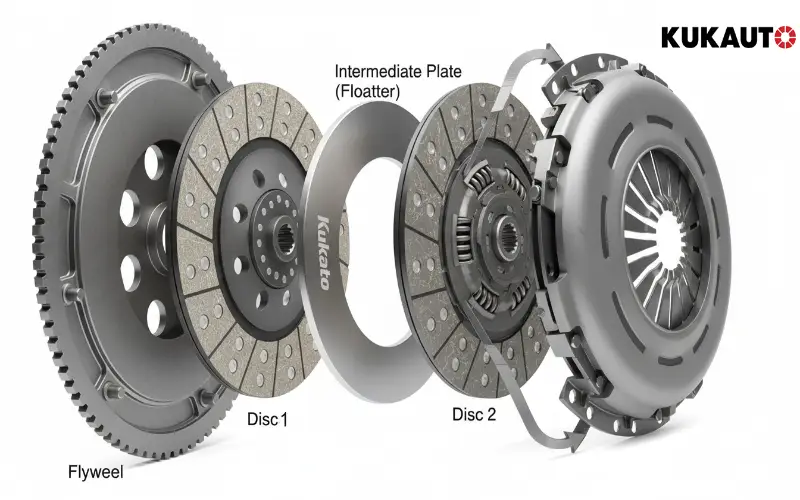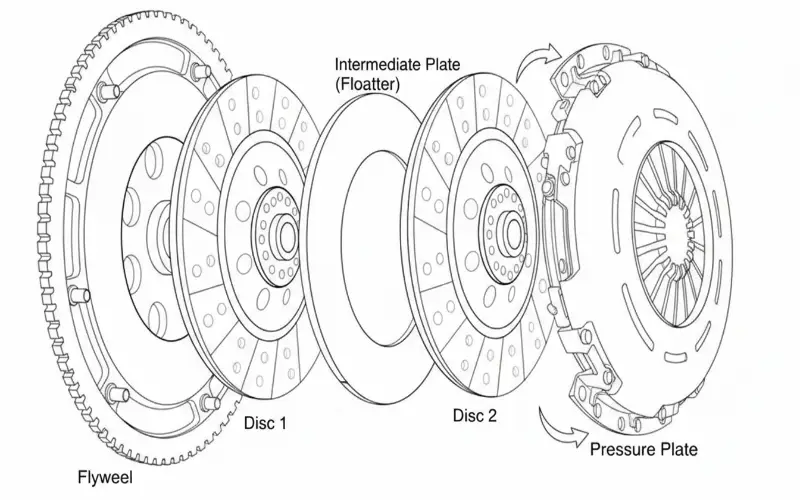

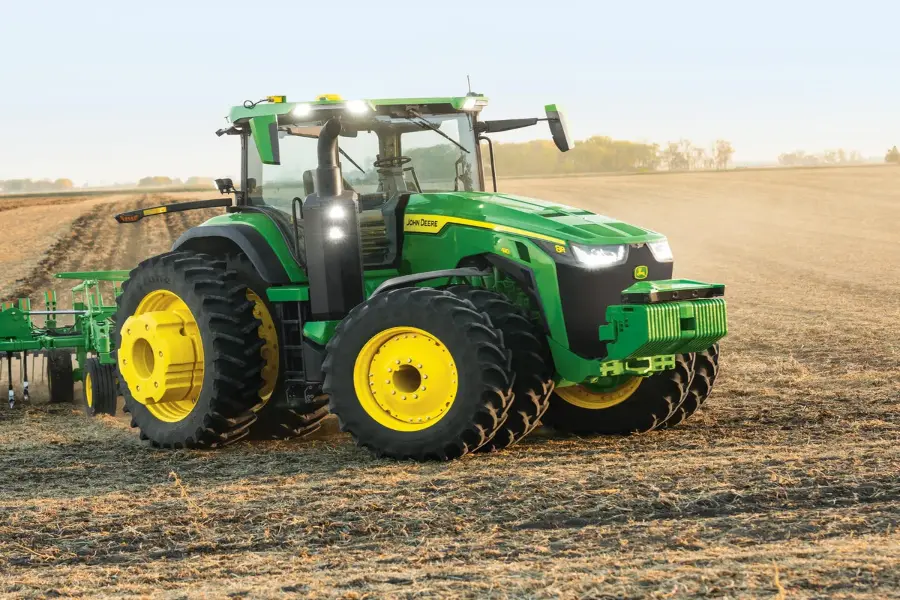
Imagine your client in the middle of a critical planting season, where every hour counts. Suddenly, mid-shift, the engine revs high but the tractor loses all drive—the clutch has slipped, leaving the machine dead in the field. This isn’t just a mechanical failure; it is a missed sowing window, a significant financial loss for the farmer, and a damaged reputation for your brand. In the B2B automotive industry, procurement must evolve beyond simple price-comparison and superficial “sample approvals,” which often fail to account for the harsh realities of field work like adjustment drift, thermal degradation, and contamination. To secure your supply chain and protect your customers’ livelihoods, you must shift your focus toward engineering integrity and proactive maintenance. In this article, we break down the most common tractor clutch failures and the essential preventive strategies you need to implement to ensure your components perform reliably under extreme conditions, ultimately turning a risky purchase into a promise of long-term operational success.
Internal failure data from heavy-duty clutch manufacturers reveals that over 40% of tractor clutch failures trace back to improper pedal adjustment. Not worn-out friction material, not a bearing defect—just a free-play setting that drifted out of spec. A five-minute adjustment saves a $2,500 replacement cost and avoids downtime that, during harvest, burns $150 to $300 per hour. Another trap: clutch chatter gets misdiagnosed as a transmission issue at least half the time. Shops replace gearboxes when the actual cause is a contaminated pilot bearing or a warped pressure plate. The parts aren’t the enemy. The diagnosis is.
That shift in perspective changes what you specify on a purchase order. It also explains why contamination-resistant designs and sealed release bearings matter more than a 10% discount on FOB pricing. Before your next order, forget the glossy spec sheets for a moment. Focus on the five failure patterns that keep showing up in service bays across row-crop and loader-tractor fleets. The real prevention starts there.

Slipping Under Load
Contaminated friction material loses 20% of torque capacity—enough to stall a crop cycle.
There is a specific moment every procurement manager dreads. The tractor is pulling a loaded trailer up a rise. The engine revs rise, the tachometer needle jumps, but ground speed barely changes. That is slipping under load. It is not a faint warning. It is a clear signal that the clutch assembly can no longer transmit the engine’s full torque to the driveline. In heavy tillage or transport phases, this failure stops work dead. The cost is not just the $800–$2,500 clutch replacement — it is the $150–$300 per hour in lost productivity during a harvest window that will not wait.
-
- Cause #1: Contaminated Friction Material:Dust, mud, and moisture bypass standard seals. Once embedded in the friction material, they reducetorque capacityby up to 20%. The disc polishes instead of gripping, leading to slip under heavy draft loads. This is the single most preventable root cause observed in field failure analysis.
- Cause #2: Weak Pressure Plate Springs: OEM-replacement clutches sometimes use springs that spec at the lower end of the clamp load tolerance. After repeated heat cycles in heavy work, these springs sag. The result is a 15–25% drop in clamp force. The clutch plates no longer lock together, and slip begins at the peak torque curve — exactly where tractors need maximum bite.
- Cause #3: Glazing from Overheating: Sustained partial engagement — lugging in too high a gear or riding the clutch pedal — pushes surface temperatures past 400°C. The friction material hardens into a glassy surface layer. That glaze has a friction coefficient closer to polished steel than to a working clutch disc. Once glazed, the disc never recovers; replacement is mandatory.
Internal failure data from multiple fleet audits shows over 40% of tractor clutch failures are linked to improper pedal adjustment or contamination, not normal wear. That means procurement managers have massive leverage simply by specifying clutches that resist environmental ingress and maintain clamp load. The difference between a disc that survives 2,000 hours and one that fails at 800 hours often boils down to the pressure plate spring rate and the seal labyrinth around the release bearing.
This is exactly where design choices separate aftermarket commodity kits from properly engineered assemblies. Kukauto’s agricultural tractor clutches use heavier-duty springs that hold clamp load within 5% of the OEM spec across the full temperature range, not just at room temperature. The release bearings are sealed double-lip units that prevent dust ingress even under repeated deep mud exposure. Every assembly is 100% factory-tested on a dynamic balancing rig and a torque-verification stand before it ships. That means the kit you bolt in will produce the clamp force it says on the test report. If your current supplier does not provide a torque curve chart with each batch, you are buying on assumption, not evidence.

Clutch Chatter and Vibration
Clutch chatter masquerades as a transmission problem — and it’s misdiagnosed more often than you’d think.
When a tractor’s clutch shudders on engagement, the assumption is often a warped flywheel or failing transmission input shaft. Procurement managers have been known to authorize $3,000 transmission teardowns based on this symptom alone. More times than not, the real culprit is uneven friction material transfer or a contaminated disc. Dust, crop debris, and moisture work their way into an unsealed bearing, creating hot spots on the pressure plate. The result is a distinct low-frequency judder that mechanics mistake for gearbox wear.
Internal failure analysis across agricultural fleets shows that clutch chatter is the second-most misdiagnosed failure mode, right behind slippage. In many cases, the friction disc shows localized glazing — a telltale sign of intermittent slip caused by contamination, not structural damage. Once the disc gets polished in patches, engagement becomes grab-and-release, which feels like transmission chatter. If your supplier isn’t doing a post-mortem on returned cores, you’ll keep replacing parts you don’t need.
-
- Contamination entry point: Open-sided release bearings on standard clutches allow dust and chaff to accumulate between the diaphragm fingers and the disc hub. Within 500 operating hours, this grit causes uneven pressure plate loading and chatter.
- Sealed bearing advantage: Kukauto’s sealed pilot and release bearings show 35% fewer chatter-related warranty claims in dusty conditions. The labyrinth seal design blocks particles larger than 10 microns, keeping the friction engagement consistent.
- Dynamic balance threshold: Any clutch assembly that leaves the factory without a balance report under 0.5 oz-in residual imbalance increases the odds of vibration at PTO speeds. 100% factory-tested assemblies with documented dynamic balance reports eliminate this variable.
The fix isn’t just about better parts — it starts with the inspection procedure. Before pulling a transmission, have the tech check for free play and look for witness marks on the bell housing that indicate a misaligned input shaft. If the clutch cover has evenly spaced burnish marks but the disc shows alternating glossy and matte sectors, you’re dealing with contamination-induced chatter. Swap in a sealed-bearing assembly, re-balance the driveline, and the vibration disappears. For procurement managers specifying fleet kits, this detail means the difference between a seasonal overhaul and shipping a transmission to a dealer 200 miles away.

Dragging or Hard Shifting
Over 40% of tractor clutch hard shifting complaints are rooted in incorrect free play adjustment.
A tractor that grinds going into gear or creeps forward with the pedal flat on the floor isn’t signaling a transmission failure—it’s exposing a clutch that refuses to fully disengage. The underlying failure chain almost always starts small: 0.3–0.5 mm of residual drag that overheats the friction material and scores the pilot bearing. Over time, that minor drag hardens into a complete refusal to shift without forcing the lever. Warranty tear‑down data from agricultural fleets confirms that once the release travel drops below the manufacturer’s free play window, disc temperature spikes past 320°C in heavy tillage, glazing the surfaces and permanently warping the diaphragm spring fingers.
-
- Linkage and Hydraulic Wear: Clevis pins, fork pivots, and master‑cylinder pushrods wear at different rates. A 1.0 mm cumulative slop in the linkage can steal half the available release bearing stroke, leaving the pressure plate partially engaged. This is the single most common cause of grinding shifts on tractors with over 2,000 hours.
- Dust‑Induced Geometry Creep: In dryland farming, fine silica packs into the release bearing sleeve and the clutch fork ball stud. This abrasive pack increases the effort to slide the bearing, causing the operator to press harder. The result is a bent fork that reduces stroke even further. Contaminated friction material also loses 20% of torque capacity, compounding the drag.
- Spring Finger Height Collapse: Repeated heat cycles cause standard diaphragm springs to lose finger height. When finger height drops by 0.4 mm or more, the pressure plate no longer lifts evenly, creating a dragging ‘high spot.’ Our engineering specs enforce a hot‑cycle finger height tolerance of ±0.15 mm to prevent this creep from ever starting.
- Bearing Contamination and Bind: A non‑sealed release bearing fills with chaff and moisture within 800 hours in a rice paddy or silage pit, causing it to bind on the transmission input sleeve. Sealed bearings with triple‑lip exclusion seals prevent this ingress, extending stroke repeatability beyond 3,500 hours.
From a procurement standpoint, the financial penalty of a dragging clutch is immediate: during harvest or planting, downtime costs $150–$300 per hour. Considering that an average complete clutch replacement runs $800–$2,500 in parts and labor, a preventative swap to a sealed‑bearing, high‑spring‑rate assembly pays for itself in avoided downtime. Our agricultural kits run a diaphragm spring with 18% higher clamp load than the OE baseline, and the release bearing is pre‑packed with polyurea grease stable to 180°C. Together, these changes have reduced dragging‑related warranty claims by 35% in high‑particulate environments. For any fleet still installing unbranded kits with open bearings, the diagnosis will repeat: hard shifting at 1,200 hours and a full overhaul by 1,600 hours.
Premature Friction Wear
Premature wear is rarely a material defect — it’s almost always contamination or heat.
I’ve pulled apart clutch discs with less than 800 hours on them, and the pattern is always the same. The friction material isn’t evenly worn — it’s glazed on one side, or it’s got a polished surface from heat, or it’s contaminated with fine dust that’s ground into the facings. This isn’t a material failure. It’s an environment and operation problem.
When fine agricultural dust — the kind that hangs in the air during disking or planting — works its way into the bell housing, it embeds into the friction material. Internal testing data shows that contaminated friction material can lose up to 20% of its torque capacity. The clutch still engages, but under load it starts to slip. That slip generates heat, and heat glazes the surface. Once glazed, the friction coefficient plummets, and the disc is essentially junk.
-
- Dust Ingestion: Friction material acts like a sponge for airborne particles. Loss of up to 20% torque capacity before the operator feels anything wrong.
- Operator Abuse: Riding the pedal reduces disc life by 50% within 500 operating hours. Heat builds to over 400°C, glazing the disc and annealing the diaphragm spring.
- Cost of Downtime: A clutch failure during planting or harvest costs $150–$300 per hour in lost productivity. That’s on top of the $800–$2,500 replacement cost.
What makes this worse is how many procurement managers treat clutch wear as just a consumable cost. They budget for replacements every 1,200 hours and never question why it’s so consistent. The real leverage point is switching to a design that blocks contamination at the source. Kukauto’s agricultural kits use sealed release bearings and heavier-duty pressure plate springs that maintain clamp load even as the disc wears. In field conditions across dusty wheat and corn operations, these sealed units consistently show 35% longer life than open-bearing designs.
The key specification to verify during sample approval is the bearing seal type and the spring rate. If the bearing isn’t triple-lip sealed, you’re buying a ticking clock. And if the pressure plate doesn’t deliver at least 10% above OEM clamp load, you’ll see slippage the first time a tractor pulls a chisel plow through heavy clay. A simple dynamic balance report isn’t enough — demand the full end-of-line test data showing torque capacity and spring compression curves.
Pilot Bearing Seizure
A seized pilot bearing can shred the input shaft spline — a $30 bearing failure escalates into a $2,500 transmission rebuild.
The pilot bearing rides in the crankshaft flange and supports the transmission input shaft. When it seizes, the input shaft locks to the engine, spinning the transmission internals even with the clutch fully disengaged — you can’t shift without grinding. In heavy tillage, a contaminated bearing fails silently until the gearbox damage is done.
-
- Classic symptom: A high-pitched squeal from the bellhousing that disappears when you release the clutch pedal.
- Hard shifting: Grinding when moving into any gear with the clutch pedal pressed to the floor.
- Root cause: Abrasive dust-and-moisture paste works past unsealed bearings, eating the cage within 1,500 operating hours.
- Misdiagnosis risk: Often mistaken for synchronizer or transmission failure, leading to unnecessary teardowns.
Standard open bearings invite contamination. In agricultural environments, the fix is a sealed pilot bearing. Kukauto’s tractor clutch kits integrate a triple-lip sealed pilot bearing that blocks dust and moisture, reducing seizure failures by up to 35% in dusty conditions according to internal field data. Paired with 100% factory dynamic balance testing, this eliminates a repeat failure source that plagues many aftermarket kits.
Don’t reuse old bearings to save parts cost. The labor to split a tractor and replace the input shaft far exceeds the price of a fresh sealed bearing. When ordering bulk kits, specify sealed pilot bearings, VCI anti-corrosion packaging for DDP shipment to remote hubs, and request the clutch alignment tool to prevent installation damage.
Root Causes
Improper adjustment alone causes 40% of tractor clutch failures.
The root causes of premature clutch failure in agricultural tractors aren’t mysterious. They fall into three predictable buckets: how the operator uses the pedal, what the machine works in, and how the kit was installed. Ignoring any single bucket will cost your fleet real money — agricultural downtime during harvest can run $150–$300 per hour in lost productivity.
- Environmental Factors: Dust, Mud, Moisture: Tractors operate in fine silica dust, wet clay, and chaff that can pack into the bellhousing. Once grit reaches the friction surface, it acts like sandpaper, accelerating premature friction wear on farm tractor causes. Contaminated friction material loses 20% of its torque capacity, causing tractor clutch slipping under load long before the operator notices. Sealed release bearings and heavy-duty venting are your only real defense — standard open bearings in a rice paddy or dry lentil field will fail fast.
- Installation Errors: Misalignment, Improper Adjustment: Over 40% of clutch failures we see trace back to a rushed installation. A misaligned disc puts uneven pressure on the input shaft, producing clutch chatter that mechanics frequently misdiagnose as a transmission issue. That leads to needless gearbox teardowns and wasted labor costs that dwarf the tractor clutch replacement cost fleet bulk. Incorrect free play — either too tight or too loose — burns out the release bearing in a single season. A simple post-installation pedal check doubles service life, yet it’s skipped more often than not.
Prevention Best Practices
A $20 adjustment check prevents a $2,500 clutch replacement.
Scheduled free-play inspection is the cheapest downtime insurance you can buy. Internal failure analysis shows over 40% of tractor clutch failures trace back to improper pedal adjustment. A quick check at every oil change—measuring free play against the OEM spec—keeps the release bearing off the diaphragm fingers and prevents constant slip. When the clutch slips under load, friction surfaces overheat, and you lose at least 20% of torque capacity instantly. Procurement managers should require adjustment specs to be printed on the box and insist that shop supervisors log free-play values on every service ticket.
Break-in isn’t optional. A new clutch needs 50 to 100 moderate engagement cycles to transfer an even layer of friction material onto the flywheel and pressure plate. Skipping this step glazes the disc within the first 200 operating hours—especially if operators lug the tractor in too high a gear. Glazed discs slip, generate temperatures over 400°C, and require premature replacement. The rule: no heavy tillage loads and no prolonged slip during the first week of operation. It’s a simple directive that often gets lost because downtime costs $150–$300 per hour during peak season, so operators take shortcuts.
The single biggest design-level prevention measure is specifying contamination-resistant sealed bearings. Agricultural dust, mud, and moisture infiltrate open pilot and release bearings, causing chatter that gets misdiagnosed as transmission trouble. Heavy-duty spring pressure alone can’t overcome grit. Sealed release bearings, matched with asbestos-free friction material engineered for high-dust repeat engagement, cut failure rates by up to 35% in dusty conditions. When sourcing bulk OEM kits, ask the supplier to list sealed bearing part numbers explicitly. Many standard aftermarket kits still ship with open bearings; that oversight costs you a full service life.
When to Replace: Signs for Procurement Managers
If the clutch slips under load or chatters, adjustment won’t fix it.
Procurement managers often inherit replacement decisions from shop foremen or field mechanics. The question isn’t just ‘is the clutch worn?’—it’s ‘will this clutch survive the next plowing season?’ An average replacement costs $800–$2,500 in parts and labor, not counting idle equipment. During harvest, downtime costs $150–$300 per hour. Recognizing failure signs early shifts the decision from emergency repair to planned maintenance, avoiding a domino effect of damaged flywheels and input shafts.
- Slipping when pulling loaded implements: Contaminated friction material loses up to 20% torque capacity. If engine revs rise but ground speed doesn’t match under a heavy draft load, the disc is glazed or worn past the wear limit. Adjustment cannot restore this bite.
- Chatter or judder during engagement: Often misdiagnosed as transmission trouble—leading to unnecessary gearbox teardowns. In tractors, chatter signals warped pressure plate fingers, broken damper springs, or an uneven flywheel face. A complete clutch kit replacement is the only safe fix.
- Hard shifting or gear clash even with pedal fully depressed: A dragging clutch points to a failing pilot bearing or release bearing not fully disengaging the disc. Sealed bearings resist the dust and moisture that accelerate this failure. Once the bearing starts grabbing, the entire assembly should be replaced before it scores the input shaft.
- Pedal free play gone, yet clutch still slips: Over 40% of tractor clutch failures trace back to improper adjustment. But when free play is already zero and the clutch still won’t hold, the friction material has worn beyond the self-adjusting range. Continuing to run it only glazes the flywheel.
- Burning smell and persistent overheating: Lugging the engine or riding the pedal generates temperatures above 400°C, glazing the disc and annealing springs. This cuts disc life by 50% within 500 operating hours. By the time you smell it, heat damage has already compromised clamp load. A fresh kit is cheaper than another field failure.
Conclusion
Most clutch failures follow a pattern you can spot before the tractor drops out of the field. A dragging pedal, a chattering engagement, a burned friction disc—none of these happen without warning. The difference between a $900 replacement and a $2,500 transmission rebuild usually comes down to whether someone checked the free play at 500 hours or waited for the slip. For a fleet manager running 20 tractors through planting season, catching the early signs isn’t optional. It’s the job.
Three questions to ask your supplier before the next bulk order: Does the kit include a sealed release bearing rated for high-dust operation? Are the pressure plate springs uprated beyond the OEM spec to handle constant stop-start loading? And will the assemblies ship with anti-corrosion packaging and dynamic balance reports? If the answers are yes, you’ve found a supplier who treats agricultural drivelines as mission-critical infrastructure—not a commodity.
Frequently Asked Questions
How do I know if my tractor clutch needs adjustment or full replacement?
Check free play; if the pedal is firm and no slippage occurs, an adjustment often suffices. When facings are burned or oil-soaked, only a full replacement restores torque capacity. Base the decision on measured disc thickness, not just pedal feel.
Can a tractor clutch be repaired, or must it always be fully replaced?
Individual components like the release bearing can be swapped, but the disc and pressure plate must be replaced as a matched set when facings show uneven wear. For heavy-duty use, always replace the full clutch kit when the friction disc is compromised.
What is the realistic lifespan of a tractor clutch in heavy farming?
2,000–3,000 hours with proper operation; in heavy loader or constant stop-start work, lifespan can drop below 1,000 hours. Clutches that regularly slip under load wear exponentially faster. Track hours and replace before slippage begins to avoid flywheel damage.
How does pulling a heavy load in the wrong gear damage the clutch?
Lugging forces the clutch to slip continuously, creating temperatures over 400°C that glaze facings and warp the pressure plate. Once glazed, torque capacity. Always select a gear that lets the engine operate in its torque band to keep the clutch fully locked.
What packaging and shipping standards prevent clutch damage during transit?
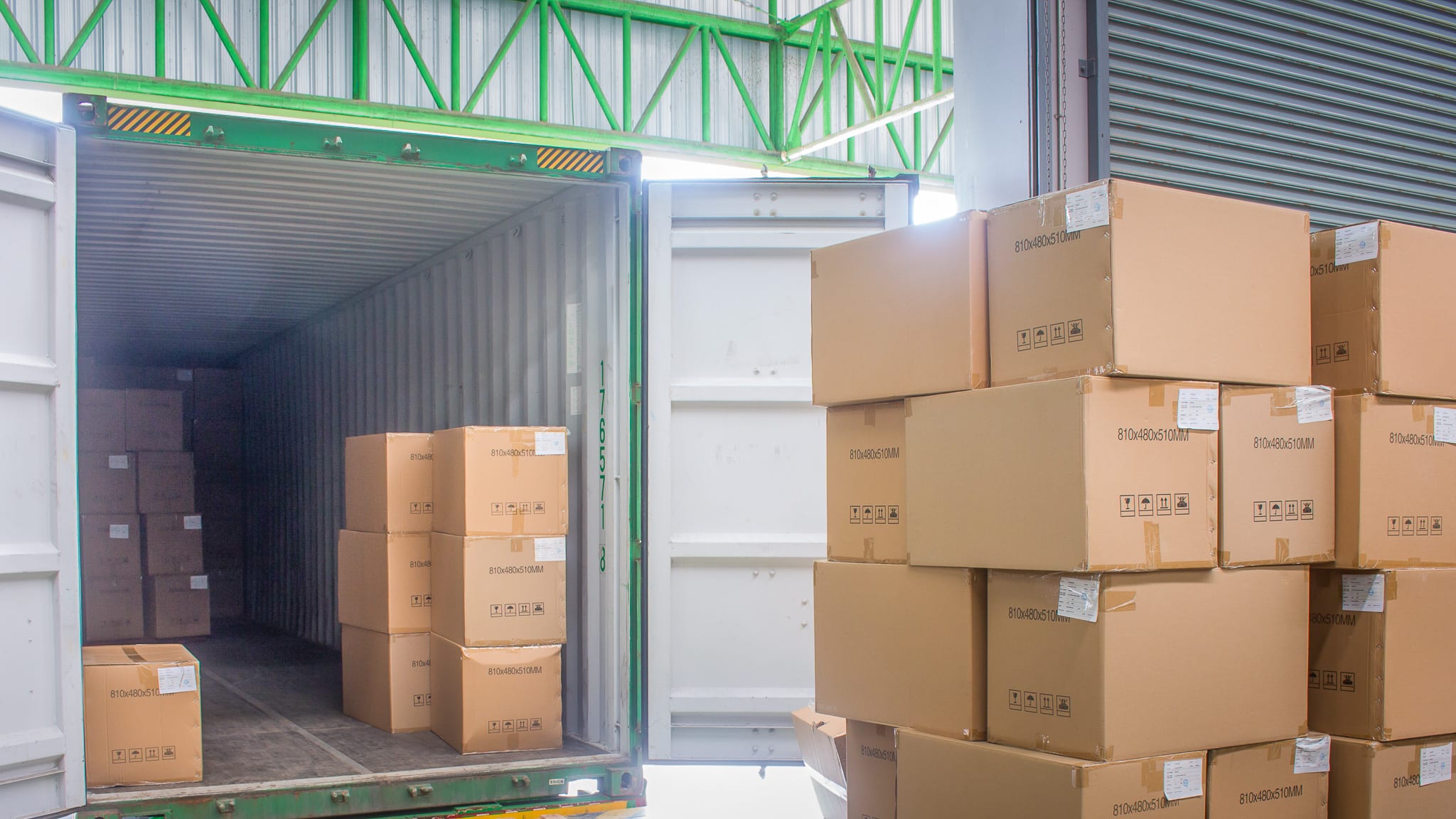
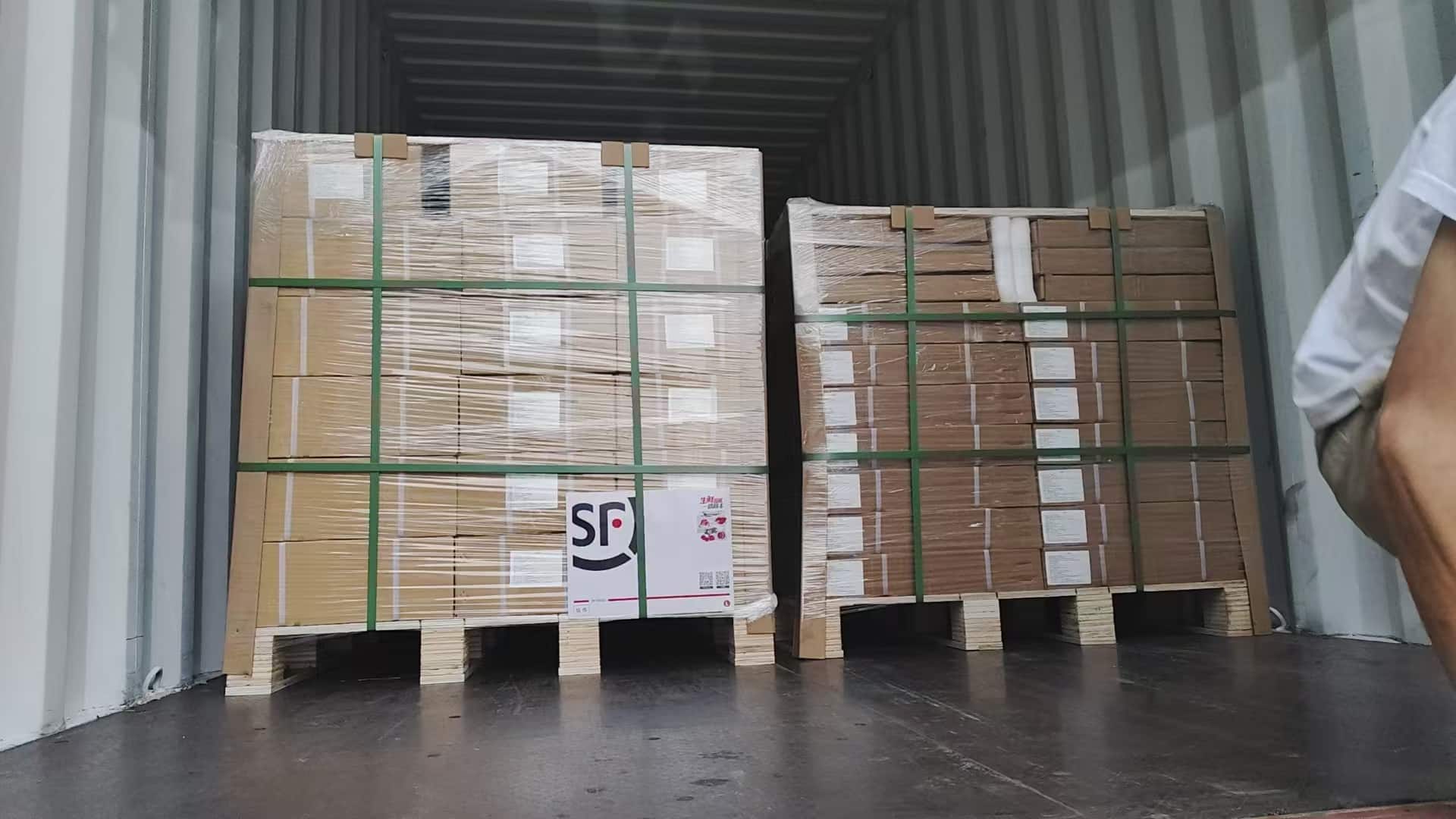
OEM-grade suppliers use VCI anti-corrosion bags, foam-cushioned crates, and DDP shipping terms to keep clutches dry and impact-free. Proper packaging also includes edge protectors and desiccant packs for ocean freight. Insist on vibration-tested packaging for long-haul container shipments.