Almost every tractor clutch selection guide opens with the same worn-out advice: stick to the OEM brand because the quality tolerance is tighter and the risk is lower. That logic sounds bulletproof until the sample approval stage. Picture a procurement manager for a 300-acre farm operation. She placed a $60,000 order based on a pre-production sample that engaged smoothly, met the spline count, and balanced out on the test stand. Six weeks later the mass production run landed—different friction material, a slightly softer clamp load, and clutches that started slipping at 600 hours. The FOB pricing beat the competitor by 12%, but the replacement cycle tripled her total cost of ownership. The real lesson wasn’t about OEM versus aftermarket. It was about trusting spec data over brand labels.
The smartest agricultural fleet buyers I’ve worked with across 12 countries don’t pick a clutch by logo. They reverse-engineer the OEM torque spec, match the disc diameter and spline geometry, then demand a factory test report that proves the unit handles the same load curve. An 11-inch clutch rated for 50 horsepower won’t survive a baler that spikes to 85 hp during a heavy windrow—no matter whose name is stamped on the housing. And if the supplier hesitates to share a 2,000-hour salt-spray result on the cover seal, walk away. The gap between a good decision and a mid-season failure usually comes down to one thing: did you verify the contamination resistance and dynamic balance data, or did you let a sample and a price quote do the thinking for you.
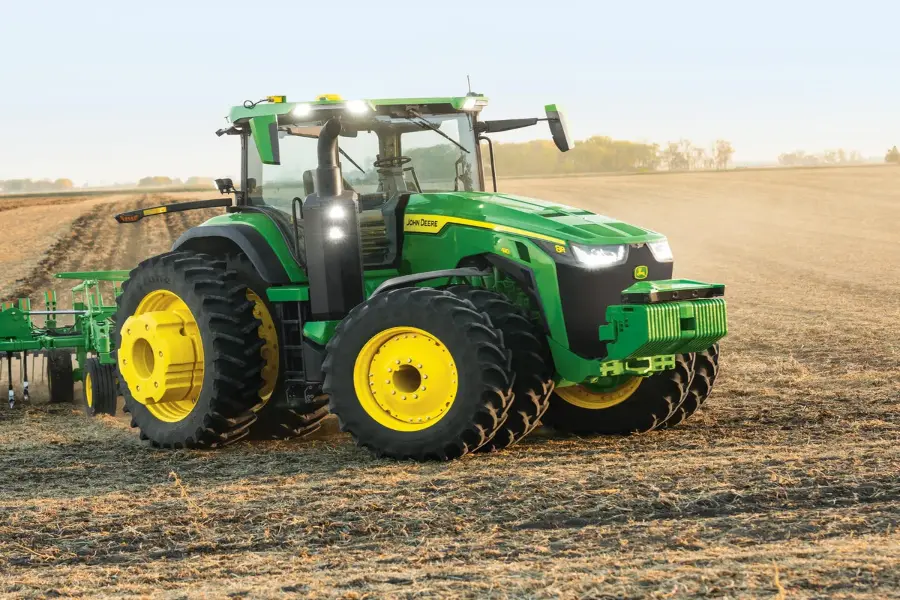
Tractor Clutch Basics: Torque and Power Transfer
Sample approval fails when the disc diameter matches paper but not the actual load cycle.
If you’ve ever accepted a pre-production sample that looked flawless on the bench, then watched mass production units glaze and slip within 300 hours, you already know the real problem. It’s not the clutch design. It’s the mismatch between what the spec sheet says and what the tractor demands when pulling a 12-furrow plough through wet clay. Matching torque capacity to real-world load classification is the first procurement decision that separates a $1,200 clutch that lasts four seasons from one that destroys the flywheel halfway through planting.
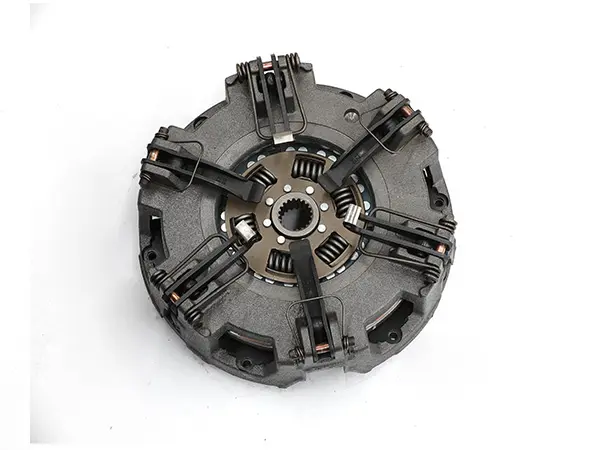
Agricultural tractors fall into three load buckets, defined by engine horsepower and the type of implement they pull. These aren’t marketing categories—they dictate the clamp force, friction area, and input shaft strength the clutch must deliver.
- Light (<50 hp) – Compact tractors, small tillers: Typically use an 11″ disc with a 10-spline hub. Torque demand is low and intermittent. Pre-production sample approval should focus on pedal modulation and cold engagement chatter, not just torque bench numbers. Organic facings are standard; ceramic adds cost without meaningful benefit in this class.
- Medium (50–100 hp) – Balers, mowers, mid-size utilities: 12″ to 13″ discs with 14-spline input shafts. This is where most OEMs specify a clutch that can handle 300–500 Nm of peak torque with a 1.5–1.8 safety factor. Quality tolerance on spline fit becomes critical here: a 0.10 mm clearance deviation can increase backlash wear by 30% over a season.
- Heavy (>100 hp) – Large harvesters, 4WD workhorses: 14″ disc, 21-spline shaft, and a cover assembly that must deliver clamp loads above 1,800 kg. In these applications, the clutch doesn’t just transmit engine torque; it absorbs driveline shock from implements like rotary tillers. Kukauto’s production range covers 10″ to 14″ diameters and 10/14/21 spline counts, built to OEM-spec dynamic balance so that the feel at the pedal matches the drawing board.
- Torque capacity isn’t just a function of horsepower—it’s the product of disc diameter, friction material coefficient, and clamping force. Procurement managers often fixate on the disc diameter while ignoring the spline count, but that’s a dangerous shortcut. The spline count sets the maximum transmittable torque before the input shaft strips. A 14″ disc bolted to a 10-spline hub is wasted money; the splines will fail before the disc reaches its thermal limit.
- Disc Diameter: Common sizes are 11″ (light), 12″–13″ (medium), 14″ (heavy). A 1-inch diameter increase adds roughly 15–18% more friction area, directly raising torque capacity. But the cover assembly must be engineered to match—simply slapping a larger disc into a standard cover reduces clamp load at the perimeter, causing early slip.
- Spline Count: 10-spline (light), 14-spline (mid-range), 21-spline (high-torque). Spline count determines the interface strength between the clutch disc hub and the transmission input shaft. Under a 600 Nm load, a 14-spline hub distributes stress across 14 contact points instead of 10, reducing per-tooth pressure. That’s the difference between a 2,000-hour service life and a spline failure at 800 hours.
- Material Match: Organic linings handle heat up to 250°C and suit medium load cycles. Ceramic facings survive 400°C+ and offer 20–30% longer life in heavy-duty dusty conditions, per industry benchmark data. The wrong material choice negates any diameter advantage because the friction coefficient drops off a cliff when operating temperature exceeds the lining’s rating.
When you place a bulk order for tractor clutches, the pre-production sample must verify all three parameters against the actual duty cycle, not just a static torque rig. A sample measured and approved in a clean lab using an 11″ reference flywheel tells you nothing about what happens when that clutch runs behind a 90 hp baler in chaff. Demand a sample approval process that includes a full dimensional report with spline go/no-go gauge results. Because a 0.08 mm undersize on the spline bore won’t show up on the torque test, but it will destroy the input shaft bearings within 500 hours.
Comparing Clutch Types for Agricultural Use
Dual-stage clutches aren’t a luxury; they’re 40% lower PTO wear in loader cycles.
Most procurement guides treat clutch type as a simple checkbox. In reality, choosing between single-stage and dual-stage dictates whether your baler operator fights PTO engagement 50 times a day or not. Single-stage clutches couple transmission and PTO to the same pedal—press once, everything stops. That works fine on a 65 hp utility tractor pulling a mower, where interrupted ground speed doesn’t wreck the swath. On a 120 hp tractor running a round baler or a loader, you need to stop ground travel while the PTO stays live to clear a plug or reposition. Dual-stage clutches split the function: half-pedal disengages transmission, full-pedal disengages PTO. The mechanical complexity adds upfront cost, around 15–20% over a single-stage kit, but in intensive loader yards where cycles hit 200 per day, field data from OEM agricultural test programs shows PTO engagement wear drops 40% compared to a single-stage unit ridden constantly. If your tractors log more than 400 engagement cycles per week, a single-stage clutch is a liability, not a cost-saving measure.
Friction material splits into the next decision branch: ceramic versus organic. Conventional wisdom says ceramic is for racing, organic for street. That frame collapses in agriculture. Organic linings—typically woven fiberglass-reinforced resin compounds—offer smooth, quiet engagement and handle moderate heat up to about 350°F. They’re adequate for hay operations under 80 hp where clutch dust isn’t ground into wet paste. The moment dust, chaff, and moisture enter the bellhousing, organic material absorbs contaminants, friction coefficient drops, and slip generates heat that warps the pressure plate. Ceramic friction materials—sintered bronze or copper-ceramic blends—operate at higher temperature bands (above 500°F) and reject contaminant absorption. In high-dust tillage or loader operations, OEM-spec ceramic linings outlast generic organic by 20–30% under identical load cycles. The trade-off: slightly sharper engagement, which can feel less forgiving to an operator used to feathering. For tractors exceeding 100 hp operating in soil preparation or mixed feedlot duties, the material choice isn’t about preference; it’s about whether you replace the clutch every 1,200 hours or push it to 1,800 hours.
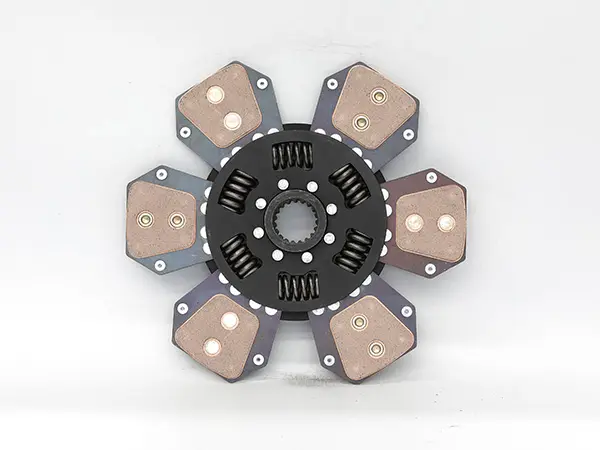
- Single-stage clutch: One plate driving both transmission and PTO. Best for tillers, small mowers, utility tractors under 80 hp with low PTO cycle count. Lighter pedal effort, simpler linkage, lower kit price. Risk: Premature wear if PTO is engaged/disengaged frequently because both circuits share the same clamp load. Contamination accelerates failure quickly since there’s no segmented protection.
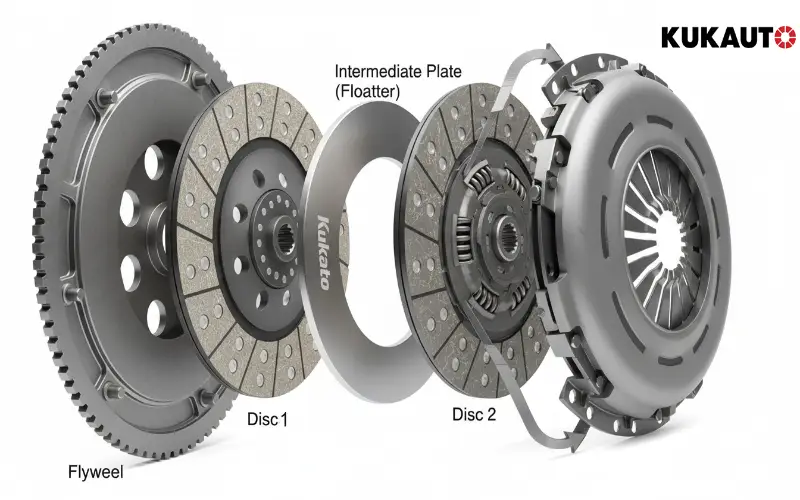
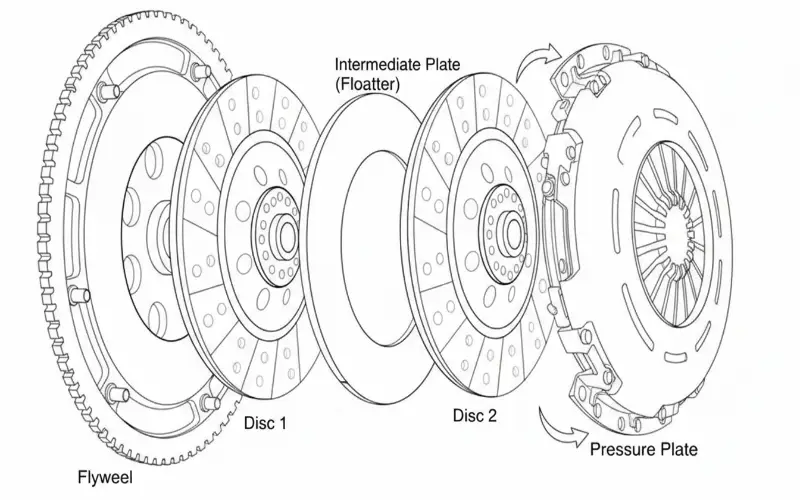
- Dual-stage clutch: Two independently driven plates. Transmission disengages at half pedal; PTO follows at full stroke. Essential for balers, forage harvesters, loaders, and any task that demands PTO run-on. Reduces engagement shock to PTO driveline by 40% in high-cycle applications. Typically 12–14英寸 discs with 21-spline hubs on heavy models. Look for sealed pilot bearings and labyrinth venting to keep dust out of the second stage.
- Organic friction: Good initial bite, smooth modulation, works up to 350°F. Choose for haying, light utility, and mowing where bellhousing stays relatively clean. Service life drops sharply if exposed to mud or grain dust—contamination accounts for 62% of early failures in these units.
- Ceramic friction: Higher thermal capacity, resists glazing, handles dusty and wet environments better. Accepts higher clamp loads without slipping. Fits harvesters, large tillage tractors, loader tractors. Expect 20–30% longer service life over organic in dirty conditions, confirmed by warranty return analysis. Slightly increased pedal effort and cost per kit, offset by reduced downtime during planting and harvest windows.
| Type | Friction Material | Key Specifications | Performance Advantage | Optimal Application |
|---|---|---|---|---|
| Single-Stage | Organic | 11″ disc, 10-spline, Light-duty (<50 hp) | Lowest cost; Smooth engagement for simple drives | Small tillers, mowers, low-hour utility tractors |
| Ceramic (OEM-Spec) | 12″–13″ disc, 14-spline, Medium-duty (50–100 hp) | 20–30% longer service life than organic; High heat tolerance | General tillage, transport, high-hour dry environments | |
| Dual-Stage (PTO) | Organic | 12″–13″ disc, 14-spline, Medium-duty (50–100 hp) | Sealed design cuts contamination failure rates by up to 90% | Balers, mowers, high-dust/mud forage operations |
| Ceramic (OEM-Spec) | 14″ disc, 21-spline, Heavy-duty (>100 hp) | 40% less PTO engagement wear; Superior thermal management | Loader work, large harvesters, severe-duty cycles |
How Operating Conditions Drive Your Choice
62% of early failures trace back to contamination—sealed covers slash that risk.
A tractor clutch doesn’t fail in a clean lab. The dust from a dry harvest field, the mud caked on the bell housing after a wet seeding run, the humidity that creeps into every unsealed gap—these are the real killers. When abrasive particles embed in friction material, engagement becomes jerky and slip increases. Moisture accelerates rust on the pressure plate springs, causing uneven clamp load. Ignore these environmental factors, and a perfectly good clutch kit can fail halfway through the season, costing you not just the part but the planting or harvest window.
- Contamination ingress: 62% of premature tractor clutch failures stem from dirt, mud, and moisture. Sealed designs cut this failure rate by up to 90%.
- Sealed cover plate: A properly sealed clutch cover blocks dust entry while allowing internal moisture to vent. For rice paddy and high-humidity operations, this is non-negotiable.
- Material match: Organic facings absorb dampness, leading to inconsistent friction. OEM-spec ceramic materials resist moisture and abrasion, maintaining grab and extending service life by 20–30% under the same loads.
- High-hour operations—think harvesters running 16-hour shifts during a narrow weather window—generate sustained heat that breaks down ordinary clutches. When the disc surface exceeds 200°C, organic resins degrade, the friction coefficient drops, and slipping escalates into total failure. The only path to long life under these conditions is heat dissipation built into the design: larger disc diameters to spread thermal load, ceramic friction materials that maintain friction at higher temperatures, and dynamic balancing that prevents localized hot spots. A clutch that survives 1,500 hours in moderate use can fail at 900 hours under continuous high-load cycles if heat isn’t managed.
- Ceramic vs. organic thermal limit: Ceramic facings handle sustained temperatures well past the point where organic linings carbonize. This directly translates to a 20–30% longer service life in dusty, high-hour applications.
- Dynamic balanced assembly: Even minor imbalance creates vibration at high RPM, wasting energy as heat and accelerating wear on the disc, pressure plate, and release bearing.
- Cost-per-hour calculation: A heavy-duty clutch kit priced at $600–$1,200 may look expensive, but when OEM-spec ceramic units reduce downtime and extend change intervals by an entire season, the cost per operating hour drops well below generic alternatives.
Making the Decision: OEM vs Aftermarket Quality
Amateurs compare purchase price; procurement pros calculate cost per operating hour over the warranty window.
When you hold a genuine OEM clutch next to a generic aftermarket unit, the visual difference is often minimal. Same disc diameter, similar spline count, a stamp on the cover. The variance hides in what you cannot see: the fatigue test runs, the balance grade, and the contamination seal integrity. I’ve audited suppliers where the “tested” label meant a quick spin on a bench. That kind of pass/fail check misses micro-cracks that surface at 400 hours in a dusty beet harvester. For an agricultural procurement manager, that oversight translates directly into a mid-season teardown — a cost far beyond the clutch kit itself.
True factory-tested reliability means every assembly goes through dynamic balance verification at operating RPM and a clamp load curve check against the published specification sheet. At Kukauto, the test log isn’t a sticker — it’s a serial-numbered report that traces the specific spring set, friction material batch, and balance grade. This matters because an unbalanced cover at 1,800 RPM transmits vibration into the transmission input shaft, accelerating bearing wear long before the clutch slips. Sealed designs cut contamination-related early failures by up to 90%, addressing the root cause of 62% of warranty returns in high-dust farm environments.
A 2-year/2,000-hour warranty on a tractor clutch isn’t a marketing bullet — it’s a financial tool. Compare two kits: a generic organic unit at $450 with a 12-month/800-hour warranty, and an OEM-spec ceramic unit at $780 with double the coverage. The generic looks cheaper until you run the fleet math. Ceramic friction material lasts 20–30% longer under identical loads, so the failure window shifts far beyond the first harvest cycle. Factor in a single unplanned clutch replacement during planting season, and the loss of equipment availability alone erases the upfront savings.
- Load-deflection test: Verifies the pressure plate’s clamp force matches the design spec at the release travel point, preventing slippage under peak torque.
- Dynamic balance grade: Checked at G6.3 or tighter; an unbalanced cover assembly amplifies gear rattle and shortens transmission bearing life.
- Friction material batch cert: Ceramic-metallic blend formulation is traceable to the specific coefficient of friction tested, not a generic “OEM-grade” label.
- Seal integrity check: Pressurized housing test ensures dust and moisture ingress is blocked — the single biggest lever for extending clutch life in row-crop operations.
The last 10% that separates pros from amateurs: warranty language. Look for “hours” as the primary limiter, not just “months.” Tractors accumulate 2,000 hours in 18 months on a large grain farm; a 12-month warranty expires while the clutch is still breaking in. The second detail is the claim response — a supplier that requires the failed unit shipped back before shipping a replacement steals two weeks during harvest. The professional move is to confirm the partner holds buffer stock in your region and issues a replacement on photo evidence of failure. That’s the difference between a purchase order and a partnership.
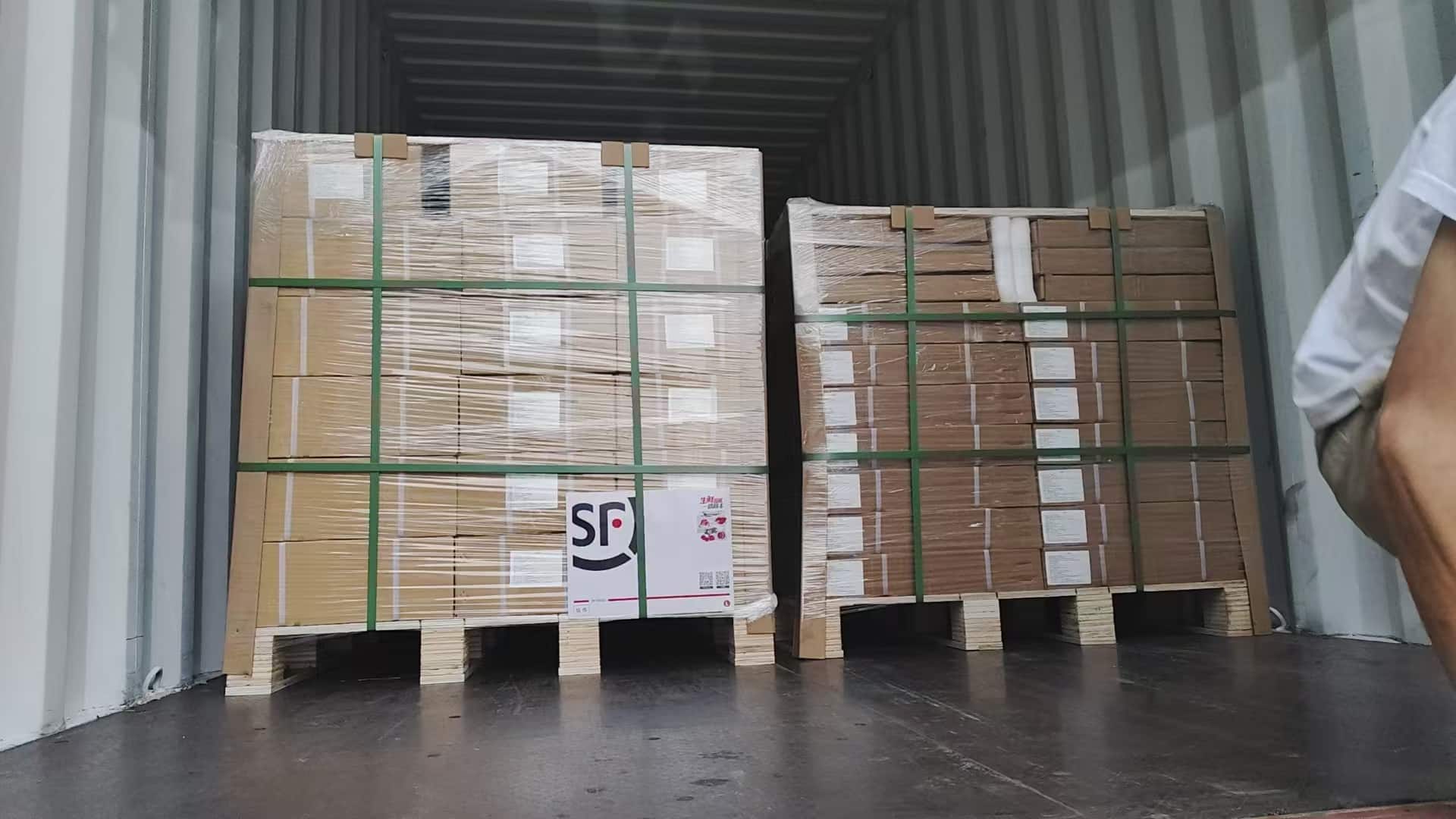
Checklist for Procurement Managers
Approved samples mean nothing if production batches deviate by 0.5mm on disc thickness.
What stopped me from signing the next purchase order for six months after a $50K tractor clutch order went wrong wasn’t the money. It was realizing the pre-production sample passed every bench test, yet the mass production units started slipping at 800 hours. The supplier couldn’t explain the variance. Your checklist needs to catch what that supplier’s process couldn’t control.
- Lock the friction material spec in the purchase contract — not just the sample: OEM-spec ceramic friction material lasts 20–30% longer than generic organic linings under equal load in dusty conditions. If the supplier substitutes organic to shave cost, you won’t catch it until teardown. Specify ceramic-grade and request material certification with the shipment.
- Demand the sealed cover drawing, not just a product photo: Contamination ingress causes 62% of premature tractor clutch failures. A sealed cover design cuts failure rates by up to 90%. The difference between sealed and unsealed is often invisible from the outside — you need the engineering drawing showing the labyrinth seal geometry or lip seal placement.
- Compare spline count and disc diameter against the OEM spec sheet, not the supplier catalog: A 14-inch disc on a heavy harvester needs 21 splines. Some aftermarket kits ship with 14-spline hubs to reduce SKU count. That mismatch shears input shafts. Cross-check every kit against the machine’s original service manual, not the seller’s cross-reference table.
- Verify 100% factory testing with a documented test report per batch: ‘Factory tested’ is a meaningless phrase without a torque capacity graph and engagement test log. Request the dynamic balance certificate and clamping force measurement for each production batch. If the supplier cannot produce a batch-specific test report, the units were not individually tested.
- Negotiate warranty on operating hours, not calendar months: A 12-month warranty on a tractor that runs 600 hours during harvest is half the coverage of a 2,000-hour warranty. The industry benchmark for OEM-spec aftermarket clutches is 2 years or 2,000 hours. Calendar-only warranties leave you exposed during peak season failures.
- Run a cost-per-hour calculation, not a unit price comparison: A $600 aftermarket kit that fails at 1,200 hours costs $0.50 per hour. An OEM kit at $1,100 lasting 2,400 hours costs $0.46 per hour — and avoids one extra teardown. The unit price gap disappears when you factor in downtime labor and lost field time during harvest.
- Audit the supplier’s quality tolerance documentation before negotiating FOB pricing: Some suppliers quote low FOB prices by widening their quality tolerance — allowing disc runout of 0.5mm instead of the OE spec of 0.2mm. That 0.3mm difference causes judder and premature spline wear. Agree on tolerance bands in writing before discussing price. The cheapest quote usually comes with the widest tolerance.
The single number I write down before every supplier call now: a genuine OEM heavy-duty tractor clutch kit runs $600 to $1,200 per unit. An aftermarket OEM-spec alternative that uses ceramic friction material, sealed covers, and ships with batch-level test documentation should land 30–40% below that range. If it doesn’t, you’re paying a brand markup. If it’s 60% below, the supplier is cutting something — and contamination resistance or disc runout tolerance is usually what disappears first.
Conclusion
Load classification, disc diameter, spline count, and material grade give you a solid shortlist. The separation between a replacement that lasts five seasons and one that fails mid-harvest comes down to three words most buyers skip: sample approval, quality tolerance, and FOB pricing. Lock in a pre-production sample match before the container ships, define the acceptable wear variance on friction material thickness, and negotiate FOB terms that keep that 30–40% cost advantage intact instead of losing it to unplanned freight charges at the port.
Pull your fleet’s current disc diameters and load profiles before you talk to any supplier. The right clutch kit ships with a test report and a warranty that matches your field cycles—not a generic 12-month calendar window.
Frequently Asked Questions
What are the main types of tractor clutches and which is best for farm work?
Single-stage and dual-stage (live PTO) clutches are the two main types. For most farm work, a dual-stage clutch is best because it reduces PTO component wear by up to 40% when running implements. Match clutch type to your typical PTO usage.
How does a dual-clutch system work on a tractor?
A dual-stage clutch uses two discs and a two-position pedal: halfway down disengages only the transmission, fully down disengages both transmission and PTO. This allows you to shift gears without stopping the PTO-driven. Always check pedal adjustment to preserve proper disengagement sequence.
What is the difference between single and double clutch tractors?
A single-clutch tractor disengages transmission and PTO together; a double-clutch lets you disengage them independently. The independent control cuts PTO shock loads during gear changes, making double-clutch ideal for PTO-heavy tasks. Choose based on how often you switch PTO implements.
How do I choose the right clutch for a tractor with a loader?
Select a dual-stage clutch with a high-torque friction material. Loader cycles demand frequent engagement and independent PTO control, which a dual-stage unit supports with 40% less PTO. Consult your supplier for a clutch rated for your loader’s hydraulic load and cycle frequency.
What factors cause premature tractor clutch failure in high-dust environments?
Abrasive dust ingress is the biggest killer, responsible for over 60% of early failures. It grinds down friction surfaces and seizes bearings. Always use sealed clutch covers and schedule regular bell housing clean-outs.