يتم فتح كل دليل اختيار قابض الجرار تقريبًا بنفس النصيحة البالية: التمسك بها العلامة التجارية OEM لأن تحمل الجودة أكثر صرامة والمخاطر أقل. يبدو هذا المنطق مقاومًا للرصاص حتى مرحلة الموافقة على العينة. تصور مدير المشتريات لعملية مزرعة مساحتها 300 فدان. لقد قدمت طلبًا بقيمة 60 ألف دولار بناءً على عينة ما قبل الإنتاج التي تفاعلت بسلاسة، واستوفت عدد الشرائح، وتوازنت على منصة الاختبار. بعد ستة أسابيع، بدأ الإنتاج الضخم - مواد احتكاك مختلفة، وحمل مشبك أكثر ليونة قليلاً، وقوابض بدأت بالانزلاق بعد 600 ساعة. تغلب سعر FOB على المنافس بنسبة 12%، لكن دورة الاستبدال ضاعفتها ثلاث مرات التكلفة الإجمالية للملكية. لم يكن الدرس الحقيقي يتعلق بتصنيع المعدات الأصلية مقابل ما بعد البيع. كان الأمر يتعلق بالثقة في بيانات المواصفات على ملصقات العلامات التجارية.
إن أذكى مشتري الأساطيل الزراعية الذين عملت معهم في 12 دولة لا يختارون القابض حسب الشعار. إنهم يقومون بإجراء هندسة عكسية لمواصفات عزم دوران OEM، ويطابقون قطر القرص وهندسة الشريحة، ثم يطلبون تقرير اختبار المصنع الذي يثبت أن الوحدة تتعامل مع منحنى الحمل نفسه. لن ينجو القابض مقاس 11 بوصة المُصنَّف بقوة 50 حصانًا من المكبس الذي يرتفع إلى 85 حصانًا أثناء صف الريح الثقيل - بغض النظر عن اسمه المختوم على الهيكل. وإذا تردد المورد في مشاركة نتيجة رش الملح لمدة 2000 ساعة على ختم الغطاء، فابتعد. عادةً ما ترجع الفجوة بين القرار الجيد والفشل في منتصف الموسم إلى شيء واحد: هل قمت بالتحقق من مقاومة التلوث وبيانات التوازن الديناميكي، أم أنك تركت عينة وعرض أسعار يقومان بالتفكير نيابةً عنك.
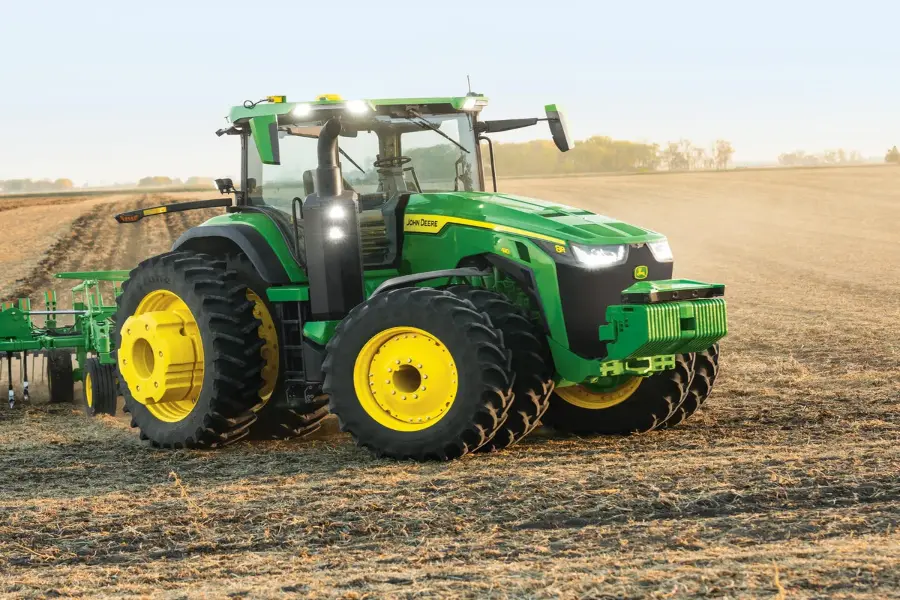
Tractor Clutch Basics: Torque and Power Transfer
Sample approval fails when the disc diameter matches paper but not the actual load cycle.
If you’ve ever accepted a pre-production sample that looked flawless on the bench, then watched mass production units glaze and slip within 300 hours, you already know the real problem. It’s not the clutch design. It’s the mismatch between what the spec sheet says and what the tractor demands when pulling a 12-furrow plough through wet clay. Matching torque capacity to real-world load classification is the first procurement decision that separates a $1,200 clutch that lasts four seasons from one that destroys the flywheel halfway through planting.
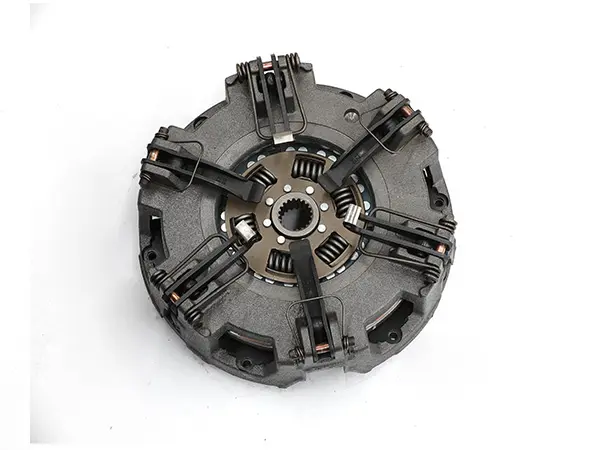
Agricultural tractors fall into three load buckets, defined by engine horsepower and the type of implement they pull. These aren’t marketing categories—they dictate the clamp force, friction area, and input shaft strength the clutch must deliver.
- Light (<50 hp) – Compact tractors, small tillers: Typically use an 11″ disc with a 10-spline hub. Torque demand is low and intermittent. Pre-production sample approval should focus on pedal modulation and cold engagement chatter, not just torque bench numbers. Organic facings are standard; ceramic adds cost without meaningful benefit in this class.
- Medium (50–100 hp) – Balers, mowers, mid-size utilities: 12″ to 13″ أقراص ذات 14 عمود إدخال. هذا هو المكان الذي تحدد فيه معظم الشركات المصنعة للمعدات الأصلية القابض الذي يمكنه التعامل مع 300-500 نيوتن متر من عزم الدوران الأقصى مع عامل أمان يتراوح بين 1.5 و1.8. يصبح تحمل الجودة في ملاءمة الشريحة أمرًا بالغ الأهمية هنا: يمكن أن يؤدي انحراف الخلوص بمقدار 0.10 مم إلى زيادة تآكل رد الفعل العكسي بنسبة 30% خلال الموسم الواحد.
- الثقيلة (> 100 حصان) – الحصادات الكبيرة، خيول العمل ذات الدفع الرباعي: 14″ القرص، والعمود ذو 21 خددًا، ومجموعة الغطاء التي يجب أن توفر أحمال المشبك التي تزيد عن 1800 كجم. في هذه التطبيقات، لا يقوم القابض بنقل عزم دوران المحرك فحسب؛ فهو يمتص صدمات مجموعة القيادة من الأدوات مثل الحراثة الدوارة. يغطي نطاق إنتاج Kukauto 10″ إلى 14″ القطر وعدد الخطوط 10/14/21، مصمم وفقًا للتوازن الديناميكي لمواصفات OEM بحيث يتطابق الشعور عند الدواسة مع لوحة الرسم.
- لا تقتصر قدرة عزم الدوران على القدرة الحصانية فحسب، بل إنها نتاج قطر القرص ومعامل مادة الاحتكاك وقوة التثبيت. غالبًا ما يركز مديرو المشتريات على قطر القرص مع تجاهل عدد الشرائح، ولكن هذا اختصار خطير. يحدد عدد الشرائح الحد الأقصى لعزم الدوران القابل للنقل قبل شرائط عمود الإدخال. أ 14″ القرص المثبت بمسامير بمحور ذي 10 شرائح هو إهدار للمال؛ سوف تفشل الخطوط قبل أن يصل القرص إلى الحد الحراري.
- قطر القرص: الأحجام الشائعة هي 11″ (النور)، ١٢″-13″ (متوسط)، ١٤″ (heavy). A 1-inch diameter increase adds roughly 15–18% more friction area, directly raising torque capacity. But the cover assembly must be engineered to match—simply slapping a larger disc into a standard cover reduces clamp load at the perimeter, causing early slip.
- Spline Count: 10-spline (light), 14-spline (mid-range), 21-spline (high-torque). Spline count determines the interface strength between the clutch disc hub and the transmission input shaft. Under a 600 Nm load, a 14-spline hub distributes stress across 14 contact points instead of 10, reducing per-tooth pressure. That’s the difference between a 2,000-hour service life and a spline failure at 800 hours.
- Material Match: Organic linings handle heat up to 250°C and suit medium load cycles. Ceramic facings survive 400°C+ and offer 20–30% longer life in heavy-duty dusty conditions, per industry benchmark data. The wrong material choice negates any diameter advantage because the friction coefficient drops off a cliff when operating temperature exceeds the lining’s rating.
When you place a bulk order for tractor clutches, the pre-production sample must verify all three parameters against the actual duty cycle, not just a static torque rig. A sample measured and approved in a clean lab using an 11″ دولاب الموازنة المرجعي لا يخبرك شيئًا عما يحدث عندما يعمل هذا القابض خلف مكبس 90 حصانًا في القشر. اطلب عملية الموافقة على العينة التي تتضمن تقريرًا كامل الأبعاد مع نتائج قياس الشريحة. لأن الحجم الأصغر بمقدار 0.08 مم على تجويف الشريحة لن يظهر في اختبار عزم الدوران، ولكنه سيدمر محامل عمود الإدخال خلال 500 ساعة.
مقارنة أنواع القابض للاستخدام الزراعي
القوابض ثنائية المرحلة ليست ترفا. إنها أقل تآكلًا بنسبة 40% لوحدة الطاقة الخارجية في دورات اللودر.
Most procurement guides treat clutch type as a simple checkbox. In reality, choosing between single-stage and dual-stage dictates whether your baler operator fights PTO engagement 50 times a day or not. Single-stage clutches couple transmission and PTO to the same pedal—press once, everything stops. That works fine on a 65 hp utility tractor pulling a mower, where interrupted ground speed doesn’t wreck the swath. On a 120 hp tractor running a round baler or a loader, you need to stop ground travel while the PTO stays live to clear a plug or reposition. Dual-stage clutches split the function: half-pedal disengages transmission, full-pedal disengages PTO. The mechanical complexity adds upfront cost, around 15–20% over a single-stage kit, but in intensive loader yards where cycles hit 200 per day, field data from OEM agricultural test programs shows PTO engagement wear drops 40% compared to a single-stage unit ridden constantly. If your tractors log more than 400 engagement cycles per week, a single-stage clutch is a liability, not a cost-saving measure.
Friction material splits into the next decision branch: ceramic versus organic. Conventional wisdom says ceramic is for racing, organic for street. That frame collapses in agriculture. Organic linings—typically woven fiberglass-reinforced resin compounds—offer smooth, quiet engagement and handle moderate heat up to about 350°F. They’re adequate for hay operations under 80 hp where clutch dust isn’t ground into wet paste. The moment dust, chaff, and moisture enter the bellhousing, organic material absorbs contaminants, friction coefficient drops, and slip generates heat that warps the pressure plate. Ceramic friction materials—sintered bronze or copper-ceramic blends—operate at higher temperature bands (above 500°F) and reject contaminant absorption. In high-dust tillage or loader operations, OEM-spec ceramic linings outlast generic organic by 20–30% under identical load cycles. The trade-off: slightly sharper engagement, which can feel less forgiving to an operator used to feathering. For tractors exceeding 100 hp operating in soil preparation or mixed feedlot duties, the material choice isn’t about preference; it’s about whether you replace the clutch every 1,200 hours or push it to 1,800 hours.
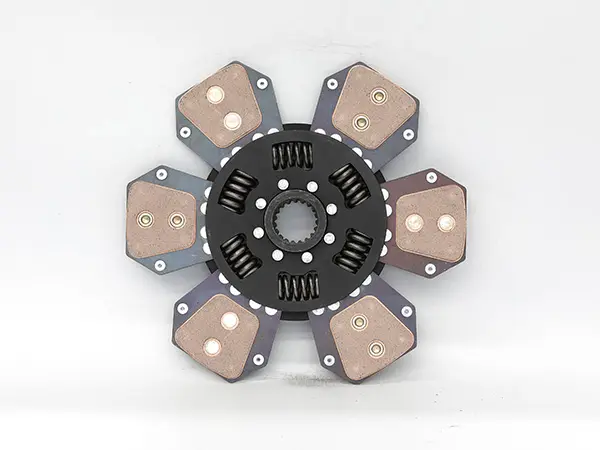
- Single-stage clutch: One plate driving both transmission and PTO. Best for tillers, small mowers, utility tractors under 80 hp with low PTO cycle count. Lighter pedal effort, simpler linkage, lower kit price. Risk: Premature wear if PTO is engaged/disengaged frequently because both circuits share the same clamp load. Contamination accelerates failure quickly since there’s no segmented protection.
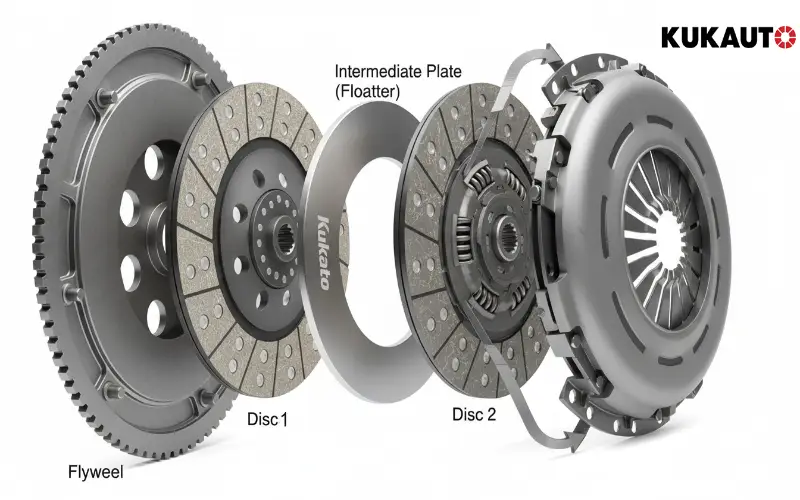
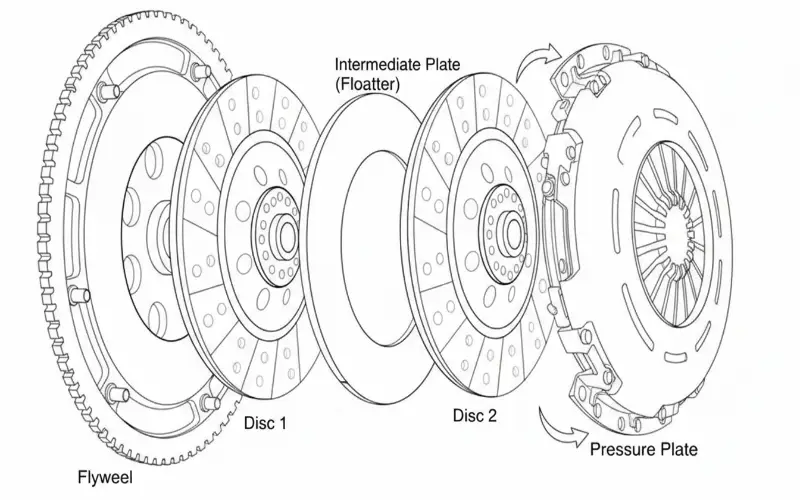
- Dual-stage clutch: Two independently driven plates. Transmission disengages at half pedal; PTO follows at full stroke. Essential for balers, forage harvesters, loaders, and any task that demands PTO run-on. Reduces engagement shock to PTO driveline by 40% in high-cycle applications. Typically 12–14英寸 discs with 21-spline hubs on heavy models. Look for sealed pilot bearings and labyrinth venting to keep dust out of the second stage.
- Organic friction: Good initial bite, smooth modulation, works up to 350°F. Choose for haying, light utility, and mowing where bellhousing stays relatively clean. Service life drops sharply if exposed to mud or grain dust—contamination accounts for 62% of early failures in these units.
- Ceramic friction: Higher thermal capacity, resists glazing, handles dusty and wet environments better. Accepts higher clamp loads without slipping. Fits harvesters, large tillage tractors, loader tractors. Expect 20–30% longer service life over organic in dirty conditions, confirmed by warranty return analysis. Slightly increased pedal effort and cost per kit, offset by reduced downtime during planting and harvest windows.
| يكتب | مادة الاحتكاك | Key Specifications | Performance Advantage | Optimal Application |
|---|---|---|---|---|
| Single-Stage | عضوي | 11″ disc, 10-spline, Light-duty (<50 hp) | Lowest cost; Smooth engagement for simple drives | Small tillers, mowers, low-hour utility tractors |
| Ceramic (OEM-Spec) | 12″–13″ disc, 14-spline, Medium-duty (50–100 hp) | 20–30% longer service life than organic; High heat tolerance | General tillage, transport, high-hour dry environments | |
| Dual-Stage (PTO) | عضوي | 12″–13″ disc, 14-spline, Medium-duty (50–100 hp) | Sealed design cuts contamination failure rates by up to 90% | Balers, mowers, high-dust/mud forage operations |
| Ceramic (OEM-Spec) | 14″ disc, 21-spline, Heavy-duty (>100 hp) | 40% less PTO engagement wear; Superior thermal management | Loader work, large harvesters, severe-duty cycles |
How Operating Conditions Drive Your Choice
62% of early failures trace back to contamination—sealed covers slash that risk.
A tractor clutch doesn’t fail in a clean lab. The dust from a dry harvest field, the mud caked on the bell housing after a wet seeding run, the humidity that creeps into every unsealed gap—these are the real killers. When abrasive particles embed in friction material, engagement becomes jerky and slip increases. Moisture accelerates rust on the pressure plate springs, causing uneven clamp load. Ignore these environmental factors, and a perfectly good clutch kit can fail halfway through the season, costing you not just the part but the planting or harvest window.
- Contamination ingress: 62% of premature tractor clutch failures stem from dirt, mud, and moisture. Sealed designs cut this failure rate by up to 90%.
- Sealed cover plate: A properly sealed clutch cover blocks dust entry while allowing internal moisture to vent. For rice paddy and high-humidity operations, this is non-negotiable.
- Material match: Organic facings absorb dampness, leading to inconsistent friction. OEM-spec ceramic materials resist moisture and abrasion, maintaining grab and extending service life by 20–30% under the same loads.
- إن العمليات التي تستغرق ساعات طويلة - مثل الحصادات التي تعمل في نوبات عمل مدتها 16 ساعة خلال نافذة طقس ضيقة - تولد حرارة مستدامة تكسر القوابض العادية. عندما تتجاوز درجة حرارة سطح القرص 200 درجة مئوية، تتحلل الراتنجات العضوية، وينخفض معامل الاحتكاك، ويتصاعد الانزلاق إلى الفشل التام. السبيل الوحيد لحياة طويلة في ظل هذه الظروف هو تبديد الحرارة المدمج في التصميم: أقطار قرص أكبر لنشر الحمل الحراري، مواد الاحتكاك السيراميك التي تحافظ على الاحتكاك عند درجات الحرارة المرتفعة، والتوازن الديناميكي الذي يمنع النقاط الساخنة الموضعية. يمكن أن يفشل القابض الذي يبقى على قيد الحياة لمدة 1500 ساعة في الاستخدام المعتدل عند 900 ساعة في ظل دورات الحمل العالي المستمرة إذا لم تتم إدارة الحرارة.
- Ceramic vs. organic thermal limit: Ceramic facings handle sustained temperatures well past the point where organic linings carbonize. This directly translates to a 20–30% longer service life in dusty, high-hour applications.
- Dynamic balanced assembly: Even minor imbalance creates vibration at high RPM, wasting energy as heat and accelerating wear on the disc, pressure plate, and release bearing.
- Cost-per-hour calculation: A heavy-duty clutch kit priced at $600–$1,200 may look expensive, but when OEM-spec ceramic units reduce downtime and extend change intervals by an entire season, the cost per operating hour drops well below generic alternatives.
Making the Decision: OEM vs Aftermarket Quality
Amateurs compare purchase price; procurement pros calculate cost per operating hour over the warranty window.
When you hold a genuine OEM clutch next to a generic aftermarket unit, the visual difference is often minimal. Same disc diameter, similar spline count, a stamp on the cover. The variance hides in what you cannot see: the fatigue test runs, the balance grade, and the contamination seal integrity. I’ve audited suppliers where the “tested” label meant a quick spin on a bench. That kind of pass/fail check misses micro-cracks that surface at 400 hours in a dusty beet harvester. For an agricultural procurement manager, that oversight translates directly into a mid-season teardown — a cost far beyond the clutch kit itself.
True factory-tested reliability means every assembly goes through dynamic balance verification at operating RPM and a clamp load curve check against the published specification sheet. At Kukauto, the test log isn’t a sticker — it’s a serial-numbered report that traces the specific spring set, friction material batch, and balance grade. This matters because an unbalanced cover at 1,800 RPM transmits vibration into the transmission input shaft, accelerating bearing wear long before the clutch slips. Sealed designs cut contamination-related early failures by up to 90%, addressing the root cause of 62% of warranty returns in high-dust farm environments.
A 2-year/2,000-hour warranty on a tractor clutch isn’t a marketing bullet — it’s a financial tool. Compare two kits: a generic organic unit at $450 with a 12-month/800-hour warranty, and an OEM-spec ceramic unit at $780 with double the coverage. The generic looks cheaper until you run the fleet math. Ceramic مادة الاحتكاك lasts 20–30% longer under identical loads, so the failure window shifts far beyond the first harvest cycle. Factor in a single unplanned clutch replacement during planting season, and the loss of equipment availability alone erases the upfront savings.
- Load-deflection test: التحقق من أن قوة تثبيت لوحة الضغط تتوافق مع مواصفات التصميم عند نقطة حركة التحرير، مما يمنع الانزلاق تحت ذروة عزم الدوران.
- درجة التوازن الديناميكي: تم فحصه عند G6.3 أو أكثر إحكامًا؛ تعمل مجموعة الغطاء غير المتوازنة على تضخيم حشرجة التروس وتقصير عمر محمل ناقل الحركة.
- شهادة دفعة مواد الاحتكاك: يمكن إرجاع تركيبة مزيج السيراميك والمعدن إلى معامل الاحتكاك المحدد الذي تم اختباره، وليس إلى ملصق عام "من فئة OEM".
- التحقق من سلامة الختم: يضمن اختبار الغلاف المضغوط منع دخول الغبار والرطوبة - وهي الرافعة الأكبر منفردة لإطالة عمر القابض في عمليات قطع الصفوف.
آخر 10% التي تفصل بين المحترفين والهواة: لغة الضمان. ابحث عن "الساعات" باعتبارها المحدد الأساسي، وليس فقط "الأشهر". تتراكم الجرارات 2000 ساعة في 18 شهرًا في مزرعة حبوب كبيرة؛ تنتهي صلاحية الضمان لمدة 12 شهرًا بينما لا يزال القابض ينكسر. والتفاصيل الثانية هي الرد على المطالبة - المورد الذي يطلب شحن الوحدة الفاشلة مرة أخرى قبل شحن وحدة بديلة يسرق أسبوعين أثناء الحصاد. تتمثل الخطوة الاحترافية في التأكد من أن الشريك يحتفظ بمخزون احتياطي في منطقتك ويصدر بديلاً على صورة دليل على الفشل. هذا هو الفرق بين أمر الشراء والشراكة.
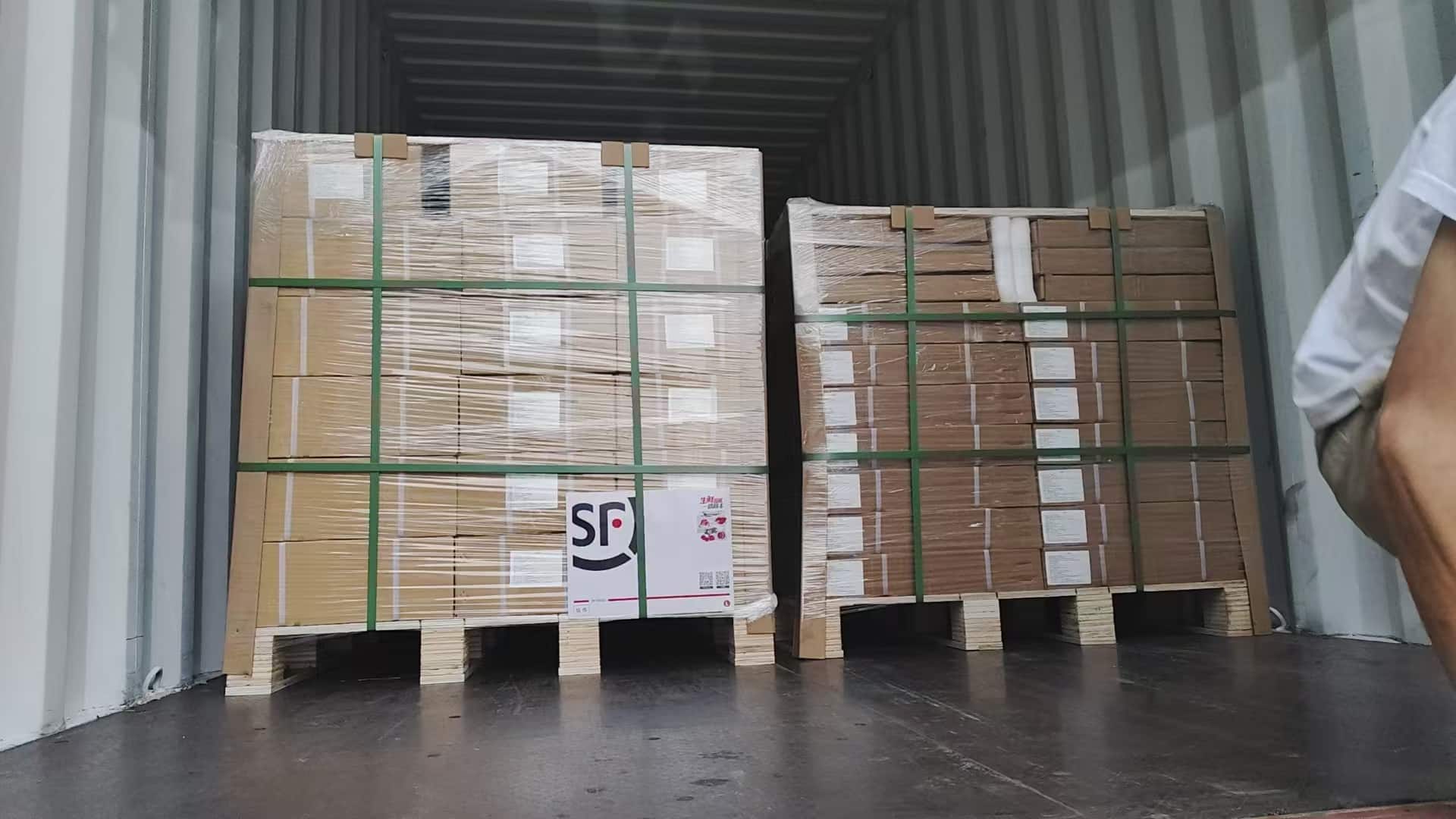
قائمة مرجعية لمديري المشتريات
العينات المعتمدة لا تعني شيئًا إذا انحرفت دفعات الإنتاج بمقدار 0.5 مم على سمك القرص.
What stopped me from signing the next purchase order for six months after a $50K tractor clutch order went wrong wasn’t the money. It was realizing the pre-production sample passed every bench test, yet the mass production units started slipping at 800 hours. The supplier couldn’t explain the variance. Your checklist needs to catch what that supplier’s process couldn’t control.
- Lock the friction material spec in the purchase contract — not just the sample: OEM-spec ceramic friction material lasts 20–30% longer than generic organic linings under equal load in dusty conditions. If the supplier substitutes organic to shave cost, you won’t catch it until teardown. Specify ceramic-grade and request material certification with the shipment.
- Demand the sealed cover drawing, not just a product photo: Contamination ingress causes 62% of premature tractor clutch failures. A sealed cover design cuts failure rates by up to 90%. The difference between sealed and unsealed is often invisible from the outside — you need the engineering drawing showing the labyrinth seal geometry or lip seal placement.
- Compare spline count and disc diameter against the OEM spec sheet, not the supplier catalog: A 14-inch disc on a heavy harvester needs 21 splines. Some aftermarket kits ship with 14-spline hubs to reduce SKU count. That mismatch shears input shafts. Cross-check every kit against the machine’s original service manual, not the seller’s cross-reference table.
- Verify 100% factory testing with a documented test report per batch: ‘Factory tested’ is a meaningless phrase without a torque capacity graph and engagement test log. Request the dynamic balance certificate and قوة لقط measurement for each production batch. If the supplier cannot produce a batch-specific test report, the units were not individually tested.
- Negotiate warranty on operating hours, not calendar months: يمثل الضمان لمدة 12 شهرًا على الجرار الذي يعمل لمدة 600 ساعة أثناء الحصاد نصف تغطية الضمان لمدة 2000 ساعة. معيار الصناعة لقوابض ما بعد البيع بمواصفات OEM هو عامين أو 2000 ساعة. تتركك ضمانات التقويم فقط مكشوفًا أثناء حالات الفشل في موسم الذروة.
- قم بإجراء حساب التكلفة لكل ساعة، وليس مقارنة سعر الوحدة: تبلغ تكلفة مجموعة أدوات ما بعد البيع التي تبلغ قيمتها 600 دولار والتي تفشل عند 1200 ساعة 0.50 دولارًا للساعة. تبلغ تكلفة مجموعة أدوات OEM بسعر 1100 دولار وتدوم 2400 ساعة 0.46 دولارًا للساعة - وتتجنب عملية تفكيك إضافية واحدة. تختفي فجوة سعر الوحدة عندما تأخذ في الاعتبار وقت التوقف عن العمل والوقت الضائع في الحقل أثناء الحصاد.
- قم بمراجعة وثائق تحمل الجودة الخاصة بالمورد قبل التفاوض على تسعير FOB: يقتبس بعض الموردين أسعار FOB منخفضة عن طريق توسيع نطاق تحمل الجودة - مما يسمح بتشغيل القرص بمقدار 0.5 مم بدلاً من مواصفات OE البالغة 0.2 مم. يؤدي هذا الاختلاف بمقدار 0.3 مم إلى الارتجاج والتآكل المبكر للخيوط. اتفق على نطاقات التسامح كتابيًا قبل مناقشة السعر. عادةً ما يأتي أرخص عرض أسعار مع أوسع نطاق من التسامح.
The single number I write down before every supplier call now: a genuine OEM heavy-duty tractor clutch kit runs $600 to $1,200 per unit. An aftermarket OEM-spec alternative that uses ceramic friction material, sealed covers, and ships with batch-level test documentation should land 30–40% below that range. If it doesn’t, you’re paying a brand markup. If it’s 60% below, the supplier is cutting something — and contamination resistance or disc runout tolerance is usually what disappears first.
خاتمة
يمنحك تصنيف التحميل وقطر القرص وعدد الشرائح ودرجة المواد قائمة مختصرة قوية. إن الفصل بين البديل الذي يستمر لمدة خمسة مواسم والبديل الذي يفشل في منتصف الحصاد يعود إلى ثلاث كلمات يتخطاها معظم المشترين: الموافقة على العينة، وتحمل الجودة، وتسعير FOB. قم بمطابقة عينة ما قبل الإنتاج قبل سفن الحاويات، وحدد تباين التآكل المقبول على سمك مادة الاحتكاك، و التفاوض على شروط فوب التي تحافظ على ميزة التكلفة بنسبة 30-40٪ سليمة بدلاً من خسارتها بسبب رسوم الشحن غير المخطط لها في الميناء.
Pull your fleet’s current disc diameters and load profiles before you talk to any supplier. The right clutch kit ships with a test report and a warranty that matches your field cycles—not a generic 12-month calendar window.
الأسئلة المتداولة
What are the main types of tractor clutches and which is best for farm work?
Single-stage and dual-stage (live PTO) clutches are the two main types. For most farm work, a dual-stage clutch is best because it reduces PTO component wear by up to 40% when running implements. Match clutch type to your typical PTO usage.
How does a dual-clutch system work on a tractor?
يستخدم القابض ثنائي المرحلة قرصين ودواسة ذات وضعين: في منتصف المسافة لأسفل يتم فصل ناقل الحركة فقط، بينما يتم فصل ناقل الحركة ومنفذ الطاقة بالكامل إلى الأسفل. يتيح لك ذلك تغيير التروس دون إيقاف تشغيل مأخذ الطاقة (PTO). تحقق دائمًا من ضبط الدواسة للحفاظ على تسلسل فك الارتباط الصحيح.
ما هو الفرق بين الجرارات المفردة والمزدوجة القابض؟
يقوم جرار أحادي القابض بفصل ناقل الحركة ووحدة PTO معًا؛ يتيح لك القابض المزدوج فصلها بشكل مستقل. يقوم نظام التحكم المستقل بتقليل أحمال صدمات مأخذ الطاقة أثناء تغيير التروس، مما يجعل القابض المزدوج مثاليًا للمهام التي تتطلب مأخذ الطاقة بقوة. اختر بناءً على عدد المرات التي تقوم فيها بتبديل أدوات PTO.
كيف أختار القابض المناسب للجرار المزود بمحمل؟
Select a dual-stage clutch with a high-torque friction material. Loader cycles demand frequent engagement and independent PTO control, which a dual-stage unit supports with 40% less PTO. Consult your supplier for a clutch rated for your loader’s hydraulic load and cycle frequency.
What factors cause premature tractor clutch failure in high-dust environments?
Abrasive dust ingress is the biggest killer, responsible for over 60% of early failures. It grinds down friction surfaces and seizes bearings. Always use sealed clutch covers and schedule regular bell housing clean-outs.