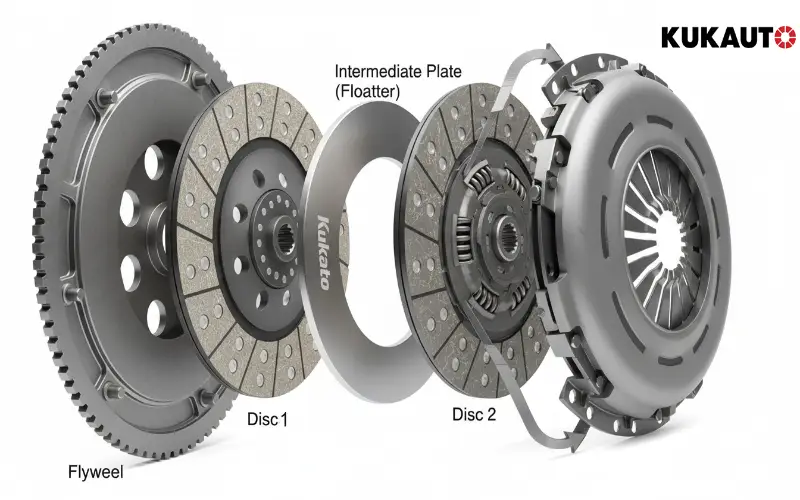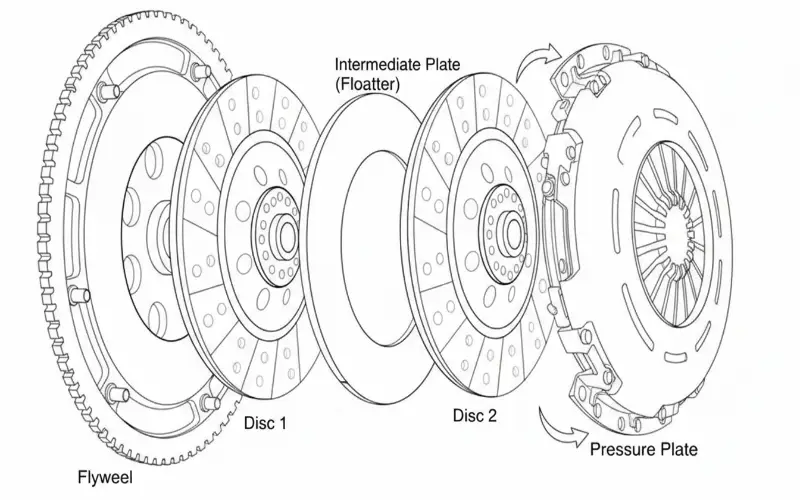
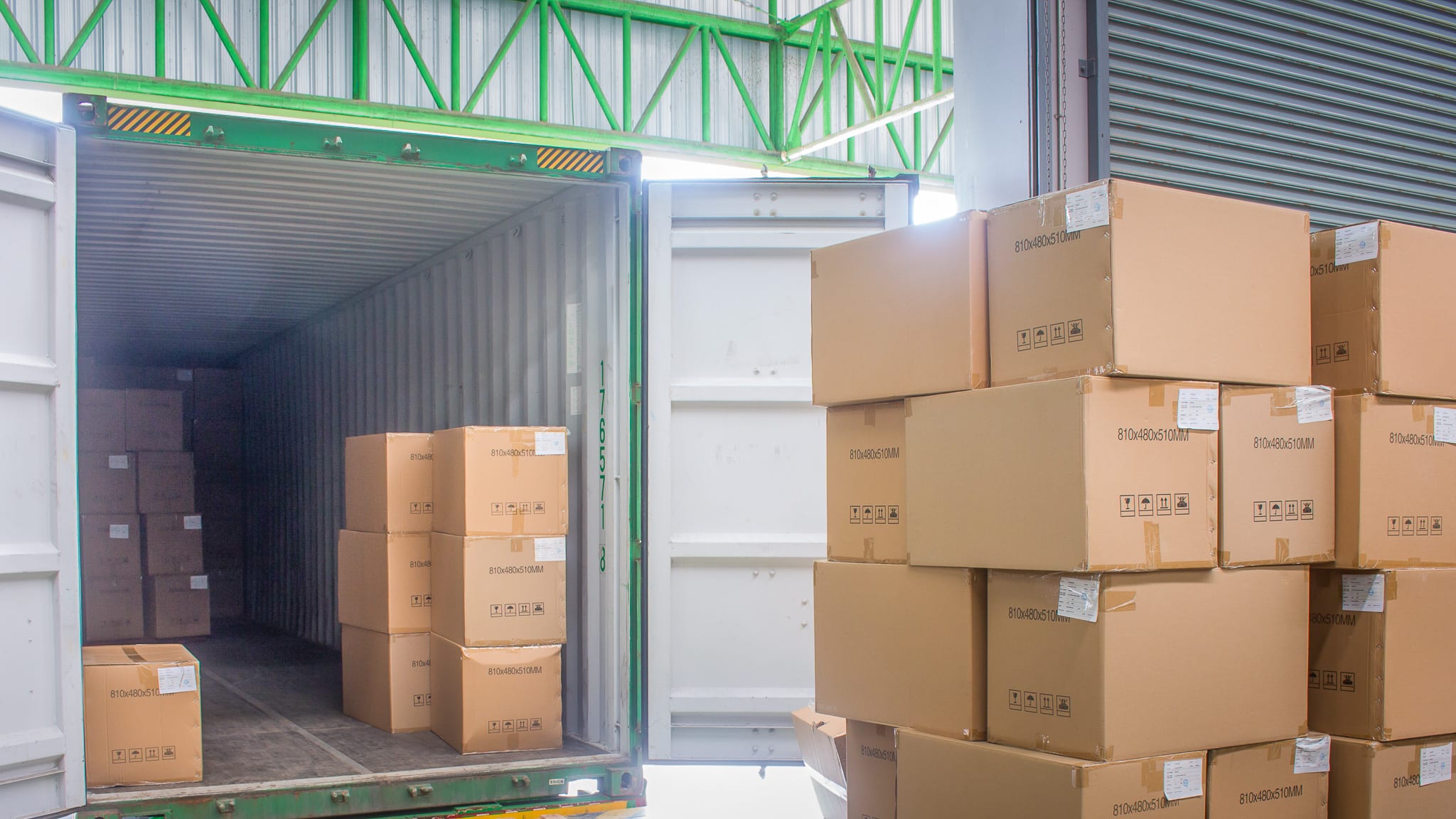
Mengimpor cengkeraman penambangan melibatkan lebih dari sekadar membandingkan harga FOB. Penawaran harga pabrik yang kompetitif hanyalah satu bagian dari total biaya. Kode HS yang salah, bea masuk yang tidak terduga, biaya pengiriman, biaya bea cukai, dan transportasi darat dapat meningkatkan biaya pendaratan akhir Anda secara signifikan. Memahami pengeluaran ini sebelum melakukan pemesanan membantu pembeli menghindari pembengkakan anggaran dan membuat keputusan pengadaan yang lebih menguntungkan. Dalam panduan ini, kami akan menjelaskan cara menghitung biaya dasar penambangan, memilih kode HS yang benar, dan mengidentifikasi biaya tersembunyi yang diabaikan oleh banyak importir.
Kebanyakan pembeli fokus pada harga satuan dan Penetapan harga FOB negotiations. That’s the easy part. The real skill lies in pinning down the HS code before the shipment leaves the factory. A clutch kit classified as 8708.93 carries a different duty rate than one lumped under 8483 if the factory packs a flywheel in the same crate. Get that detail wrong, and the landed cost swings by three to five percent. The same logic applies to quality tolerance clauses. An OEM-level supplier will build to a friction coefficient range and a parallelism spec. A commodity supplier ships what’s convenient. The difference shows up in warranty claims, not in the quote.
Detail terakhir yang dilewati sebagian besar distributor? Biaya Pemrosesan Barang Dagangan dan Biaya Pemeliharaan Pelabuhan. Pada pesanan $50.000, kedua item baris tersebut menambahkan lebih dari $200. Itu bukan kesalahan pembulatan. Inilah perbedaan antara kuartal yang menguntungkan dan panggilan telepon ke akuntan yang menjelaskan mengapa margin bocor. Para profesional memasukkan setiap baris biaya masuk ke dalam spreadsheet sebelum transfer kawat dilakukan. Amatir menambahkannya setelah kontainer melewati bea cukai dan faktur broker tiba.
Kode HS Penting untuk Kit Kopling Pertambangan
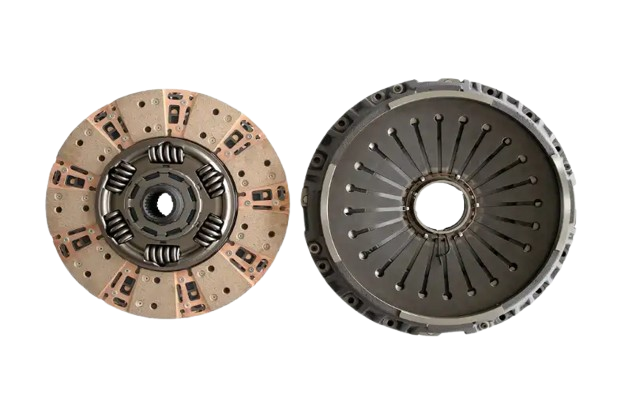
Cakram kopling, penutup, dan bantalan pelepas berada di bawah 8708.93—sampai Anda menambahkan roda gila atau bantalan pilot.
Anda mengimpor palet kit kopling truk pertambangan. Anda meletakkan HS 8708.93 tanpa berpikir dua kali. Tapi tanyakan kepada broker bea cukai apa yang mereka lihat pada Senin pagi: setumpuk pemberitahuan CF-28 untuk peralatan yang berisi roda gila atau bantalan pilot tetapi dinyatakan sebagai “bagian kopling.” Misclassification is not a paperwork nuance. It’s the difference between paying 0% duty and getting slapped with a 2.5% ad valorem hit—plus a penalty—that can erase your margin on a $50,000 shipment. One distributor I worked with lost $4,700 on a single container because the pre-production sample clearly showed a full assembly with a pilot bearing, yet the commercial invoice stuck with 8708.93. Customs reclassified it on inspection based on a physical exam, and the FOB pricing the buyer had negotiated suddenly didn’t cover the new landed cost.
- What stays under 8708.93: Clutch disc, pelat tekanan (cover), and release bearing. These are parts of a motor vehicle clutch system, typically carrying low or zero duty in many jurisdictions, and are the foundation of most “perlengkapan kopling” invoices.
- What shifts the HS code: Add a flywheel (often classified under 8483.50 as a transmission shaft or flywheel), a pilot bearing, or a dual-mass flywheel assembly, and customs may reclassify the whole shipment. The kit stops being “clutch parts” and becomes a “clutch assembly” or even a “flywheel and clutch package”—triggering a different duty rate and complicating your ISF-10+2 filing.
- The quality tolerance trap: Jika proses persetujuan sampel Anda menunjukkan kit lengkap tetapi pesanan produksi massal Anda menghilangkan roda gila untuk menjaga kode tetap sederhana, pemeriksaan fisik masih dapat menandai ketidakkonsistenan antara dokumen pengiriman dan muatan sebenarnya. Selalu pastikan faktur komersial sama persis dengan isi kit—terutama ketika pemasok mengubah nomor komponen di tengah pesanan.
Tarif bea yang spesifik pada suatu negara tidak berlaku untuk semua hal. Hal yang sama “perlengkapan kopling” dapat mendarat dengan harga 0% di satu pelabuhan dan 5% di pelabuhan lain, semata-mata berdasarkan bagaimana jadwal tarif nasional menafsirkan subpos 8708.93. Angka-angka di bawah ini adalah titik awal untuk tiga pasar peralatan pertambangan utama, namun perlakukan mereka sebagai patokan untuk memverifikasi dengan broker berlisensi Anda sebelum memotong pesanan pembelian.
- Amerika Serikat: HS 8708.93.60 (other motor vehicle clutch parts) carries a general duty of 2.5%. For tractor/truck applications, 8708.93.10 may apply at a different rate. Section 301 tariffs on Chinese auto parts can add up to 25% on top—check the USTR list for the latest exclusions. Many distributors miscalculate the mining truck clutch kit import duty US side by ignoring these extra layers.
- European Union: CN code 8708 93 90 90 (other parts) draws a 3.5% most-favored-nation tariff. The specific HS code 87089390 mining clutch parts that are solely for off-highway mining vehicles might sometimes shift into Chapter 84, attracting a lower rate, but this requires a binding tariff information ruling (BTI) from your local customs authority.
- Australia: Under the China-Australia Free Trade Agreement (ChAFTA), many mining clutch parts declared under 8708.93 qualify for 0% duty—provided you hold a valid certificate of origin for clutch imports. Without that certificate, the general 5% rate applies. A single missing document can add hundreds of dollars to a container, erasing the FOB price advantage.

Choosing the Right Incoterm for Heavy Cargo
FOB gives you control; CIF gives the supplier a reason to cut corners on freight.
A distributor once absorbed a $50,000 loss on a single container of mining clutch kits. The boxes arrived, but half the release bearings had seized—saltwater had crept through a barely sealed container. The supplier booked the cheapest carrier under CIF terms, and the marine insurance claimed partial loss based on depreciated value. The buyer had no recourse because he never owned the freight contract.
Ketika satu rakitan kopling dengan palet memiliki bobot 200 kg atau lebih, pilihan antara FOB dan CIF bukanlah hal yang akademis. Ini menentukan siapa yang mengontrol rute pengiriman, nilai asuransi, dan standar pengepakan yang melindungi toleransi kualitas Anda. Dengan penetapan harga FOB, Anda mengunci biaya gerbang pabrik setelah persetujuan sampel, lalu menunjuk pengirim barang yang tahu cara melakukan pemotongan kargo curah. Pemasok mengirim ke konsolidator pengirim Anda, dan Anda menentukan ketentuan kapal dan asuransi.
- Kontrol: FOB mencantumkan kontrak pengangkutan atas nama Anda; CIF menyerahkannya kepada pemasok, yang biasanya memilih tawaran terendah.
- Transparansi biaya: FOB memisahkan biaya produk dari logistik; CIF menggabungkan pengangkutan dan asuransi, seringkali menaikkannya sebesar 15–20%.
- Kecukupan asuransi: Under FOB, you buy insurance for full replacement value plus freight. Under CIF, the supplier’s policy often covers only the commercial invoice value minus depreciation.
- Break-bulk handling: FOB lets you mandate crating and lashing that suits break-bulk vessels; CIF leaves packaging decisions to the factory, which may skimp to save freight weight.
Insurance requirements for palletized clutch kits go far beyond a basic marine cargo policy. If you’re shipping break-bulk, you need an Institute Cargo Clauses (A) policy—all-risk coverage that includes damage from rough handling, hook damage, and seawater ingress. Insure for 110% of the CIF value so you recover not just the lost product, but the freight, duties, and even the broker fees you’ve already paid. Many distributors forget the Merchandise Processing Fee (0.3464% of entered value) and Harbor Maintenance Fee (0.125% on ocean freight) when calculating the sum insured—leaving a gap that can cost you thousands on a single claim.
Sebelum Anda menerima pengiriman FOB apa pun, pastikan bahwa pemeriksaan pra-pengiriman menyatakan lot tersebut sesuai dengan toleransi kualitas yang Anda setujui. Jika palet bergeser selama transit dan penutup kopling melengkung melebihi batas runout yang ditentukan, kebijakan yang solid akan membuahkan hasil. Tanpa dasar tersebut, perusahaan asuransi akan berargumentasi bahwa cacat tersebut memang ada sejak awal. Itu sebabnya tahap persetujuan sampel bukan hanya tentang pemasangan—ini adalah garis pertahanan pertama Anda dalam klaim pengangkutan.
Kelas Pengangkutan dan Konfigurasi Palet
Kepadatan pengepakan di bawah 10 lb/ft³ memicu reklasifikasi dan tagihan pengangkutan setidaknya 30% lebih tinggi dari yang Anda anggarkan.
I’ve watched a distributor in Houston unpack a 40 ft container of mining clutch kits that held 320 kits on paper but actually carried 220 because of air gaps between pallets. That dead space costs you real money, not just in freight but in lost margin per landed unit. For clutch assemblies weighing 200 kg+ per pallet, density is the silent killer. You need to hit a minimum of 10 lb per cubic foot to stay in freight class 70. Fall below that, and you slide into class 92.5 or even 110, adding $800 to $1,200 per container before you factor in fuel surcharges.
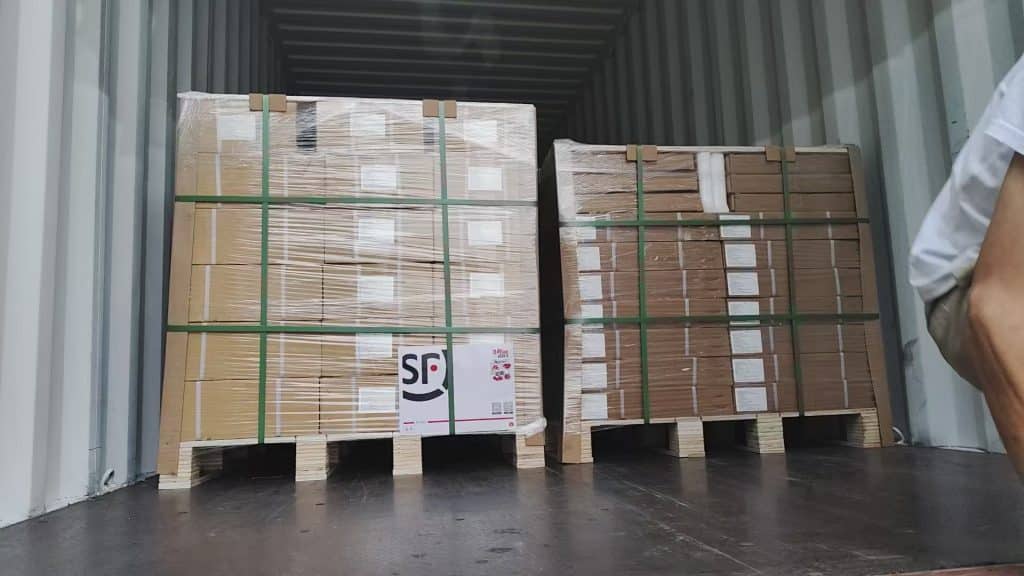
The fix starts with the supplier’s pallet build. I require manufacturers to stack clutch kits in a bonded pattern, using void fillers that compress under load but don’t shift during transit. Standard ISPM 15 heat-treated pallets with 1,200 mm x 1,000 mm bases let you fit 20 pallets double-stacked in a high-cube 40 ft container, maximizing cube utilization to 65 cubic meters of usable space. Never assume the factory’s shipping department knows this; you must send a load plan diagram with the purchase order.
- Pallet design: Specify 4-way entry, 2-stringer construction rated for 2,500 kg static load. Softwood pallets splinter on long-haul ocean freight; birch or heat-treated pine holds up.
- Stacking pattern: Column stacking aligned to the pallet corners, not interlocking, prevents clutch cover distortion. Each layer separated by 3 mm corrugated fiberboard slip sheets to avoid casting surface scuffs that Customs treats as damaged goods.
- Stretch wrap gauge: 80-gauge blown film, minimum 150% pre-stretch, wrapped top to bottom including the pallet base. This stops humidity ingress and keeps the load unitized for forklift handling at the port of discharge.
Labeling isn’t just about barcodes; it’s
For mining clutch kits, add a customs-friendly description: ‘Heavy-duty clutch friction assembly, non-asbestos, for dump truck application’ instead of just ‘auto parts.’ If your shipment contains a flywheel or pilot bearing, flag that on the label and ensure the HS code matches the comprehensive kit classification. Pair this with a packing list that shows per-pallet weight and cubic meter calculation so the freight forwarder can file the ISF-10+2 accurately. Miss that filing by a day, and CBP holds your container until the penalty is settled, no exceptions.
When the freight class calculation and labeling are locked in before the factory books the vessel, you eliminate the two most common causes of unbudgeted landed cost creeping up after the container sails. That discipline is what separates a distributor netting 22% margin from one scratching to break even on a 100-kit shipment.
Customs Clearance Step by Step
Missing one document can trigger a 10‑day hold and a $500+ examination fee.
Customs clearance for heavy-duty mining clutch kits isn’t paperwork—it’s a proof chain. Every line on the commercial invoice must match the packing list weight per pallet and the certificate of origin exactly. Discrepancies are the #1 reason palletized clutch assemblies sit in Customs hold, eating into your margin before the first unit hits your warehouse.
- Commercial Invoice: Must show the correct HS code (usually 8708.93, but verify if the kit includes a pilot bearing or flywheel—that can shift the code and the duty rate), the unit value per kit, Incoterm, and country of origin. List the manufacturer’s full legal name and address, not a trading company alias.
- Packing List: Include gross weight and net weight per pallet, dimensions, and number of kits per pallet. For clutch kits in freight class 70 or 92.5, the density calculation dictates the final class; a packing list that shows under 10 lb/ft³ can bump you to a higher, more expensive class.
- Certificate of Origin: Required to claim preferential duty rates under free trade agreements. The CO must state the kits are wholly obtained or substantially transformed in China. A generic CO without the factory’s chamber of commerce stamp will be rejected, delaying release by 3-7 working days.
- Bill of Lading (Ocean Freight): The B/L must match the invoice exactly—same shipper, consignee, notify party, and cargo description. For FOB shipments from Chinese ports, you control the freight forwarder; if the supplier selects the forwarder, verify the B/L doesn’t list a third-party entity you don’t control.
Surat keterangan asal sering kali dianggap hanya sekedar renungan. Seorang distributor kehilangan pengurangan bea masuk sebesar 3,5% pada pengiriman senilai $80.000 karena CO pemasok mencantumkan kode HS untuk 'suku cadang kopling'.’ tapi di fakturnya tertulis 'perakitan kit kopling.’ Keputusan Bea Cukai AS muncul kembali: ketidakcocokan klasifikasi, berlaku tarif penuh. Penghematan $2.800 hilang dalam semalam. Selalu periksa ulang kode HS pada CO, invoice, dan pengarsipan ISF.
Untuk Pengajuan ISF‑10+2, anggap saja sebagai Bea Cukai AS’ early warning system. You must submit it at least 24 hours before the vessel departs the last foreign port—not 24 hours before arrival. Missing that cutoff means a $5,000 fine, strict liability, no exceptions. The 10 data elements you’re responsible for as the importer include: seller, buyer, importer of record number, consignee number, manufacturer (or supplier), ship-to party, country of origin, commodity HTSUS number, and for FCL shipments—the container stuffing location and consolidator.
- ISF Importer Responsibility: Even if you use a customs broker, the legal liability for accurate and timely ISF filing rests on the ISF Importer—that’s you, the distributor. Never assume your Chinese supplier is filing it. They physically can’t; they lack the required US bond and importer number.
- Critical Timing for FOB Shipments: On FOB terms, the supplier loads the container and you arrange ocean freight. But the factory must give you the container stuffing location and the precise packing list before you can file the ISF. Get a clause in your purchase order that the supplier must provide these details 72 hours before the container gate-in at the port. If they don’t, you’re filing late and paying fines.
- Avoiding Bond Sufficiency Issues: A single-entry bond works for small trial orders, but if you’re importing mining clutch kits regularly, a continuous bond is cheaper per shipment and prevents clearance delays when Customs demands a bond rider for high-value entries. The Merchandise Processing Fee (0.3464%) and Harbor Maintenance Fee (0.125% on ocean freight) also attach at clearance—budget a combined $200+ for a $50,000 shipment.
Customs will flag heavy palletized cargo for exam more often than light loose cartons. Clutch kits on a 40×48-inch pallet stacked four feet high look dense on X‑ray. If the packing list shows a density below 10 lb/ft³ but the invoice declares a value that suggests otherwise, expect a VACIS or tailgate inspection. The fix is simple: pack kits so the calculated density aligns with the freight class you actually want, and label every pallet with the 5-digit ITN number from your AES filing. No label, no proof, longer hold.
Budgeting Landed Cost: A Real Example
The hidden fees—MPF, HMF, and broker charges—add over $200 to a $50,000 shipment.
Too many distributors run a simple calculation: FOB price × 1.05 for duty, and call it a day. That leaves real money on the table. The reality for a 100-kit shipment of mining truck clutches, landed at a US port, is as follows. Assume a
- Customs Duty (2.5%): $45,000 × 2.5% = $1,125. Verify the rate with your broker—if the kit includes a flywheel or pilot bearing, the subheading might shift and change this number entirely.
- Merchandise Processing Fee (MPF): 0.3464% of the entered value. $45,000 × 0.003464 = $155.88. Capped at $538.40, so larger shipments don’t multiply this charge.
- Harbor Maintenance Fee (HMF): 0.125% on the ocean freight portion only. If freight was $3,500, HMF = $4.38. Small, but forgotten by most first-timers.
- Customs Broker Fee:Flat rate for entry filing, typically $150–$300. A budget of $200 is assumed. This covers the ISF-10+2 and clearance.
Total landed cost before domestic trucking: $45,000 (CIF) + $1,125 (duty) + $155.88 (MPF) + $4.38 (HMF) + $200 (broker) = $46,485.26. That’s $464.85 per kit landed, not $441 if you only tacked on duty. On a full container of 250 kits, the gap widens to several thousand dollars. The lesson? When you negotiate FOB pricing, always run the full US customs math before you agree on a sales price back home. And if the supplier’s pre-production sample passed with a tight quality tolerance, lock that spec down—customs doesn’t care, but your end customer does when the mass production run arrives.
| Cost Element | Amount | Detail |
|---|---|---|
| Ex‑Factory Value (100 Kits) | $60,000 | FOB Qingdao; heavy‑duty mining clutch kits @ $600/kit |
| Ocean Freight (40 ft Container) | $3,200 | Shanghai → US West Coast; freight class 70 for palletized loads averaging 10 lb/ft³ |
| Marine Insurance (0.3% CIF+10%) | $203 | Covers full risk on high‑torque industrial assemblies |
| Customs Duty (2.5%) | $1,500 | HS 8708.93; verify subheading if kit includes flywheel or pilot bearing |
| Merchandise Processing Fee (0.3464%) | $208 | Often overlooked; calculated on entered value |
| Harbor Maintenance Fee (0.125%) | $4 | Assessed on ocean freight; easily missed |
| Customs Broker Fee | $180 | Includes ISF‑10+2 filing and entry preparation |
| Total Landed Cost to Port | $65,295 | Hidden fees (MPF + HMF) add $212 to the shipment; excludes inland trucking |
Kesimpulan
Mendapatkan pengiriman kopling penambangan melintasi lautan tanpa ledakan biaya bergantung pada tiga hal: kode HS yang telah divalidasi oleh broker Anda terhadap komponen kit yang tepat, Incoterm yang mentransfer risiko pada titik yang tepat untuk palet 200 kg, dan perhitungan biaya pendaratan yang memperhitungkan Biaya Pemrosesan Barang Dagangan dan Biaya Pemeliharaan Pelabuhan—dua item baris yang secara diam-diam menambahkan lebih dari $200 ke pesanan $50.000. Paku ketiganya, dan Anda menghilangkan faktur kejutan yang memakan margin setelah kontainer meninggalkan Shanghai.
Write this down before your next supplier call: “Pack to a minimum of 10 lb per cubic foot.” If the pallet density drops below that, freight class jumps and your ocean rate stops making sense. For a batch that meets that benchmark and gets the paperwork right, review the full-duty clutch kits designed for mining fleets—tested at the factory, with documentation built for customs clearance.
Pertanyaan yang Sering Diajukan
What HS code for mining clutch kits?
Mining clutch discs, covers, and release bearings normally fall under HS 8708.93. If the kit includes a flywheel or pilot bearing, classification may shift, so always confirm with a licensed broker. Verify classification with a customs broker before shipping.
FOB or CIF for heavy clutch freight?
FOB gives you control over the carrier and freight quality, which matters when pallets exceed 200 kg. CIF may look cheaper upfront but can hide low-grade shipping that damages clutches in transit. Request FOB pricing to control freight quality and insurance.
How to avoid freight reclassification?
Keep pallet density above 10 lb/ft³ by stacking clutch kits tightly and using dense dunnage. Density below that threshold triggers reclassification and typically adds 30% to the freight bill. Confirm pallet density with your forwarder before container loading.
What documents for customs clearance?
You’ll need a commercial invoice, packing list, and certificate of origin at minimum. For US imports, file ISF-10+2 at least 48 hours before vessel departure to avoid penalties. Submit ISF-10+2 at least 48 hours before vessel departure.
How to calculate landed cost per kit?
Add FOB price, ocean freight, insurance, duty (using correct HS rate), harbor maintenance fee, and broker charges. A 100-kit shipment example shows hidden fees can shift the real cost by. Request a landed cost breakdown from your forwarder before placing the order.