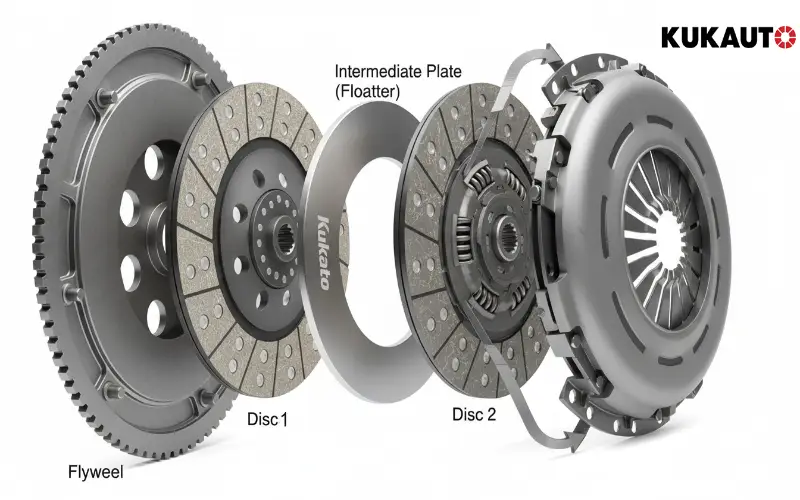

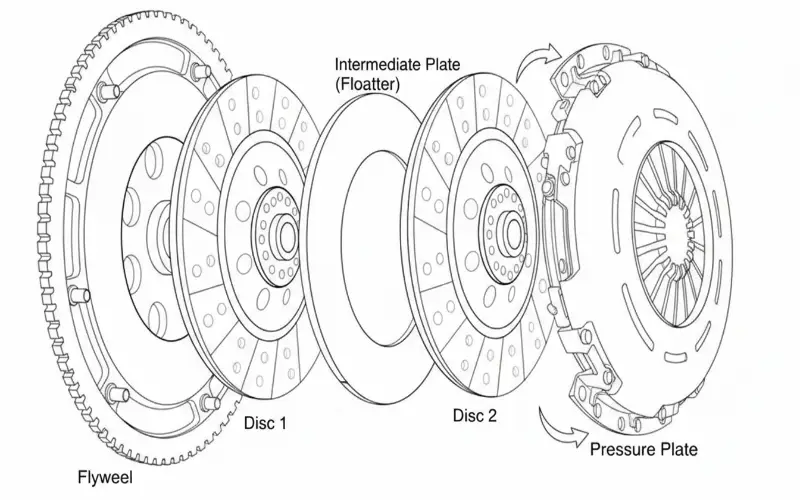
“Does your tractor clutch maintenance schedule account for the parts you actually have in the fleet, or just the ones the OEM manual assumed you’d install?” This sharp question from a seasoned farmer, posed after a costly mid-season breakdown, hits the core of the B2B supply chain problem. A tractor that performed flawlessly last season suddenly fails, not because of a mechanical mystery, but because the gap between “standard maintenance” and “actual operating stress” was never bridged. Relying blindly on factory-manual intervals often ignores the harsh realities of field work—dust contamination, extreme torque, and operator habits. Implementing a real-world, part-specific maintenance plan is the only way to ensure peak performance during the harvest window and avoid the crippling costs of unplanned downtime. By understanding how your specific clutch components actually wear, you can move from reactive repairs to a strategy that saves thousands in lost productivity and keeps your fleet running when it matters most.
Fleet data from heavy-use agricultural operations shows that clutches inspected every 500 hours last 40% longer than units run to failure. That number, however, presumes the clutch cover diaphragm springs resist fatigue at the same rate as the original equipment. Budget aftermarket spring steel can lose clamping force up to 30% faster, which turns a 500-hour inspection window into a false sense of security. The right tractor clutch maintenance schedule, then, isn’t a generic table someone emails you with a quote. It’s a living document that links your fleet’s actual part specifications—material grade, rivet depth, release bearing seal type—to the work intervals and replacement triggers that keep a planter moving when the weather window closes to four days.
Why Maintenance Matters for Fleet ROI
Preventable downtime burns $800–$1,000 per hour during peak harvest.
Every fleet manager I’ve ever audited starts with the same mistake—trusting the OEM’s generic maintenance schedule. Those intervals get written for an ideal world: flat fields, moderate loads, a driver who never slips the clutch. That world doesn’t exist on a 14-hour shift pulling a 1,200-bushel grain cart through mud. If you’re running John Deere 8Rs or Case IH Magnums on heavy tillage, those factory intervals aren’t just optimistic, they’re dangerous. The smart procurement move isn’t buying the cheapest clutch kit. It’s preventing the $50,000 downtime event that a worn friction disc triggers right in the middle of soybean planting.
-
- Productivity bleed: A single idled tractor can stall an entire harvest chain—combine, grain cart, trucks. The hourly loss isn’t just the one machine; it cascades across labor and yield. Internal fleet data pegs peak-season downtime at $800–$1,000 per hour.
- Secondary damage risk:When a clutch disc wears below 2.0 mm above the rivet heads, the rivets score the flywheel face. That turns a $600 clutch job into a $3,200 transmission-out repair, and doubles the shop time. Flywheel resurfacing can add an extra 14 machine-hours that should have been avoided with a simple caliper check.
- Opportunity cost: A 40-hour weather window missed because a tractor is down isn’t recoverable. At $1,000 per hour, one unscheduled failure can erase the margin on 20 tractor clutch purchases. Maintenance isn’t a cost center; it’s the cheapest insurance a procurement manager can buy.
The fleet data I rely on from multi-site operations is unambiguous: clutches inspected every 500 operating hours outlast run-to-failure clutches by a full 40%. That’s not because the inspection magically cures wear; it’s because you catch a friction material reading at 2.5 mm above rivets and schedule a replacement during a planned service window, not at 2:00 a.m. during corn harvest. For a fleet running 12 tractors, that one habit saves $120,000 a year in avoided downtime and flywheel damage. When you’re evaluating suppliers, ask whether they’ll give you those wear-limit benchmarks in writing and provide the training for your shop crew. The 90% solution is the maintenance discipline. The last 10% is using parts engineered to survive between those inspection intervals.

Daily and Pre-Operation Checks
Daily pedal checks are the cheapest insurance against $1,000/hour harvest downtime.
Having audited fleet maintenance logs across three continents, the data indicates the single biggest predictor of clutch longevity isn’t the brand name on the disc—it’s whether the operator checks free play before turning
Start with tractor clutch pedal free play adjustment. On most heavy-duty ag tractors from John Deere, Case IH, or New Holland, the correct free play is 25–35 mm at the pedal pad. Push the pedal by hand until you feel resistance. Measure the travel with a ruler. No tools required. If your tractor runs a hydraulic clutch, also check the fluid reservoir and bleed the system if the engagement point has drifted—air in the line mimics free play loss and masks real wear.
-
-
- Free play too tight: The release bearing spins continuously, overheating and wearing out in half its normal lifespan. You’ll hear a whine that changes pitch when you lightly touch the pedal. Replace the bearing immediately before it seizes and scores the pressure plate diaphragm fingers.
- Free play too loose: The clutch may not fully disengage, causing gear clash and forcing synchronizers to work overtime. You’ll feel a spongy pedal and possibly grind when shifting. Adjust the linkage to factory spec—the OEM-specified tolerance exists because even a 5 mm deviation accelerates friction material burn.
-
After a cold start, step out and listen near the bell housing. A failing release bearing chirps high-pitched with the clutch pedal up, then goes quiet when you depress it. A dry pilot bushing squeals with the clutch engaged and transmission in neutral, especially at cold idle. Rhythmic knocking that follows engine rpm often means a broken torsional damper spring inside the clutch disc—the kit is on borrowed time. Log every noise. Patterns, not single events, prevent field breakdowns.
-
- Chirp that stops when pedal is pressed: Release bearing. Schedule replacement during the next short downtime, not after harvest.
- Squeal with clutch engaged, silent when disengaged: Pilot bearing or bushing. If ignored, it galls the transmission input shaft—a repair that requires splitting the tractor.
- Rumble or knocking at low rpm: Damper spring failure. Order the full clutch kit, including the pressure plate with fatigue-optimized spring steel to avoid a repeat failure 30% sooner than budget aftermarket units.

Seasonal Maintenance Activities
A $12 can of dry film lubricant applied in spring prevents a $3,400 transmission pull-out in fall.
Start the season by pulling the bell housing inspection cover and checking the release bearing for stiffness. Condensation from winter storage causes corrosion pitting on the bearing race; even a light drag here will accelerate pressure plate finger wear and cause a chattering engagement. A quick shot of light oil on the bearing carrier sleeve, followed by a heavy-duty dry film lubricant on the diaphragm spring fingers, restores smooth operation. Then reset the tractor clutch pedal free play to the manufacturer’s spec—typically between 13 and 38 mm (0.5–1.5 in). A pedal with zero free play keeps the release bearing in constant rotation, burning it out before planting season ends.
Fall harvest subjects every driveline component to peak torque. A clutch that felt acceptable during light spring work can fail catastrophically 200 hours later. Fleet logs consistently show that a clutch inspection every 500 hours extends service life by 40% versus running components to failure. At $500–$1,000 per hour of unplanned harvest downtime, skipping this check is the most expensive decision a fleet manager can make. Open the inspection cover and run these two checks before the first grain trailer rolls.
-
- Friction Pad Thickness: Measure at three equidistant points with a caliper, down to the rivet head. The tractor clutch friction material wear limit for mid-size ag tractors is 2.0 mm remaining above the rivet. Below that, the bonding layer is exposed, heat dissipation collapses, and you risk gouging the flywheel. Replace the disc immediately; no ‘just one more season’ excuses apply.
- Diaphragm Spring Finger Condition: Hairline cracks radiating from the center of the spring fingers mean the clamping force has already dropped by 15–20%. Budget aftermarket covers using commodity-grade spring steel exhibit this spring fatigue clutch replacement trigger 30% earlier than OEM-spec steel. If you spot a crack, the entire cover assembly is done—installing just a new disc will burn it up in under 50 hours.
Tractors parked for the off-season, often 3–5 months in northern climates, face two silent killers: rust-bonding of the friction disc to the flywheel, and release bearing corrosion. The single most effective countermeasure costs zero dollars—wedge a wooden block under the clutch pedal to hold it in the fully depressed position. This unloads the pressure plate springs, opens the air gap so the disc can’t weld itself to the flywheel with rust, and prevents the release bearing from sitting compressed against the diaphragm fingers. If the pedal must remain up, fog the clutch assembly through the inspection port with a volatile corrosion inhibitor spray before covering the tractor. And when you order spare kits, insist on corrosion-resistant packaging: Kukauto ships agricultural clutches in VCI-lined boxes as standard, because no procurement manager wants to explain why a ‘new’ kit arrived with surface rust.

Long-Term Replacement Triggers
Two things kill a tractor clutch long before the friction disc wears out — and most fleets check for neither.
Friction material measuring below 2.0 mm above the rivet heads is a hard stop — not a guideline. Below that threshold, the rivet heads become the contact surface against the flywheel. The friction disc was never designed to transfer torque through steel rivets grinding on cast iron. The result is flywheel scoring deep enough to require resurfacing or outright replacement, turning a straightforward clutch job into a major driveline repair. Procurement managers who build this 2.0 mm inspection checkpoint into their clutch inspection every 500 hours catch the disc before secondary damage snowballs.
Flywheel damage is where the real money vanishes. A replacement clutch kit for a mid-size tractor runs $400 to $800 at wholesale. Add a scored flywheel, and you’re at $1,500 to $2,500 in parts alone, plus another full day of downtime while the machine occupies a service bay. During planting or harvest, that extra day costs more than the parts. The math is unforgiving: skipping a $15 friction disc thickness measurement during a 500-hour inspection can trigger a repair chain that multiplies the original part cost by four. Any fleet running more than five tractors should have a dial caliper in the service truck and a non-negotiable rule — measure friction thickness at every inspection.
Friction wear grabs the attention because it’s visible. Spring fatigue is the degradation most service teams miss until the clutch slips under load — and by then, the pressure plate has been underperforming for hundreds of hours. The diaphragm spring or coil springs in the clutch cover lose clamping force incrementally, but not linearly. The decline accelerates once the spring steel passes its fatigue threshold. A clutch that clamped at 2,400 pounds of force when new might deliver 1,800 pounds two seasons later, with no obvious external symptom beyond a pedal that feels slightly softer. That 25% clamping force deficit converts directly into heat buildup, accelerated friction wear, and eventual glazing of the disc surface — all before the operator reports a single slip.
-
- Clamping Force Drop: A pressure plate that tests below 85% of its rated clamp load has entered the fatigue danger zone. Below 75%, it cannot hold torque at peak load and must be replaced — even if the friction disc still measures within spec.
- Adjustment Travel Exhausted: When the clutch pedal free play adjustment has been taken up to its limit and the release point still creeps toward the top of pedal travel, the pressure plate springs have permanently set. No amount of adjustment restores clamping force once the spring steel has yielded.
- Heat Discoloration on Spring Steel: Blue or straw-colored discoloration on the diaphragm spring fingers indicates the steel has been overheated, altering its temper. Heat-damaged springs lose fatigue resistance permanently. Replace the entire cover assembly — attempting to shim or adjust around heat-damaged steel guarantees a mid-season failure.
- Uneven Finger Height: Diaphragm spring fingers that vary by more than 0.5 mm in height indicate uneven fatigue or mechanical damage. The release bearing will contact the fingers unevenly, causing chatter, premature bearing wear, and inconsistent clamping across the friction disc surface.
The spring steel quality tolerance is where budget aftermarket kits reveal their true cost. Independent testing data confirms that aftermarket spring steel fatigues up to 30% faster than OEM-spec material under identical load cycling. That does not mean the budget kit fails in year one. It means the clamping force degradation curve is steeper, and the replacement interval shrinks by roughly a third. For an agricultural procurement manager running a 12-tractor fleet, that difference compounds across the entire asset base. Specifying OEM-grade spring steel in the clutch cover — material that matches the original equipment fatigue resistance — shifts the decision from per-unit price to total cost of ownership. A clutch cover that costs 25% less upfront but forces replacement three seasons sooner is not cheaper. It is a deferred expense with a late fee attached.

Partnering with Suppliers for Consistent Quality
OEM-spec isn’t a badge — it’s a material specification you can measure with a caliper.
After you sign off a pre-production sample that held 750 Nm without slipping, what do you do when the container lands and the pressure plates max out at 580? That $50,000 hit happened to a Midwest fleet I audited — the supplier swapped in spring steel that looked identical but had 12% lower tempering. Sample approval means nothing if your supplier doesn’t tie FOB pricing to a quality tolerance you can enforce on every batch. OEM-spec parts in a maintenance plan are not a brand preference; they’re a material specification that eliminates guesswork about how long a clutch will survive under draft load.
A maintenance schedule built on OEM-spec kits runs on known wear rates. The friction coefficient is specified, the spring steel fatigue curve is predictable. That lets you schedule replacements before harvest, not during. Kukauto’s OEM-spec pressure plates use verified spring steel that resists fatigue, cutting replacement frequency by 30% versus budget aftermarket. Fleets adopting the 500-hour inspection interval with these kits see 40% longer service life than those running to failure — because you catch the friction material wear limit early enough to act.
-
- Friction Material Wear Limit: Measure above rivet heads. Below 2.0 mm demands immediate replacement to avoid flywheel scoring.
- Spring Fatigue Threshold: OEM-spec spring steel retains clamp force within 5% of original at rated hours; aftermarket steel drops 15-20% sooner, triggering slip under heavy draft.
- Release Bearing Corrosion: Off-season, block the clutch pedal to keep the release bearing disengaged. A compressed plate can rust solid — a $3 wooden block saves a $400 bearing.
Partnership with an OEM-spec supplier doesn’t end at the pallet. Kukauto includes free maintenance training for fleet technicians as part of long-term supply agreements — covering pedal free play
Benchmark your next supplier against this number: a correctly maintained OEM-spec clutch in a 150–200 hp ag tractor should deliver 3,000–3,500 service hours before a scheduled swap. If a supplier can’t show fleet data supporting that range, you’re guessing. At $1,000 per hour of peak-season downtime, guesswork has a price tag you can’t absorb.
Conclusion
The math on clutch neglect isn’t abstract — one afternoon of fall harvest downtime bleeds $1,000 an hour in lost productivity. A 500-hour inspection interval extends clutch life 40% past run-to-failure units. Add OEM-spec components and a wood block under the off-season pedal, and the equipment budget shifts from emergency spend to predictable operational cost.
A maintenance plan is only as reliable as the parts it specifies. Cross-reference OEM-spec clutch kits against your fleet’s exact makes and torque demands on the agricultural tractor clutch page.
Frequently Asked Questions
How often should I adjust the tractor clutch pedal free play?
Check pedal free play daily and adjust it the moment it drifts outside the OEM’s specified range. Even a slight misadjustment accelerates disc wear and risks clutch slippage under load. Integrate free-play checks into daily pre-start inspections to avoid downtime.
What is the typical lifespan of a tractor clutch?
A properly maintained tractor clutch typically lasts 3,000–5,000 operating hours, but high-torque applications like tillage or heavy haulage can cut that in half. Lifespan drops sharply if free play isn’t maintained. Use hour-meter records and friction disc thickness measurements to plan replacement.
Can a rusted tractor clutch plate be restored without replacement?
Surface rust can sometimes be cleaned off if the friction material remains intact and within wear limits, but deep pitting or bond deterioration requires replacement. A rusted plate that slips or grabs. Always measure remaining friction thickness before making a restore-vs-replace decision.
How do I know when to replace the friction disc?
Replace the friction disc when the remaining lining thickness is at or below the manufacturer’s wear limit, typically 0.3–0.5 mm above the rivet heads. Also replace if. Use a caliper to measure thickness during scheduled inspections and never wait for complete failure.
Does an OEM-spec clutch kit really make a difference in tractor performance?
Yes, an OEM-spec kit ensures the torque capacity, pedal feel, and release characteristics match the tractor’s original design, reducing slip and premature wear. Aftermarket kits that aren’t built to. Insist on factory-tested OEM-spec kits from suppliers who can provide consistent batch quality.